Consistency training
No perfect days. Just consistent ones.
Back to workout

Exercise Instructions

Leg Raises

Exercise guide — Setup / Technique / Tips / Mistakes

Setup

Lie on your back with your legs together and your knees slightly bent — a soft bend, not a 90-degree fold. Hands flat on the floor beside your hips, or tucked under your lower back if that feels better. Lift your head and shoulders slightly off the floor and hold them there for the whole set. Press your lower back down into the floor before the first rep.

Why the setup does the work here

The soft knee bend is deliberate. With legs fully straight, the weight sits far from your body and your hip flexors and lower back take most of the load — that's where people end up with a sore back instead of a working stomach. Bend the knees a little and that load shifts up into the lower abs, where you want it. The slight torso lift does the same job from the other end: it switches the upper stomach on so the whole front of your core is working, not just the bottom half.

Technique

Raise your legs until your hips are over your hipbones — roughly vertical thighs — and at the top, curl your tailbone a few centimetres off the floor. That small lift at the end is the real rep. Lower the legs slowly and under control, and stop just before your heels touch the ground. Keep your lower back pressed into the floor the whole way down, and keep your head and shoulders up. Breathe out as the legs rise.

Why technique decides everything here

Your abs don't lift your legs — your hips do. What your abs actually do is curl your pelvis toward your ribs. That's why the tailbone lift at the top matters so much: without it you're doing a hip exercise with your stomach along for the ride. The lowering is the other half. Going down slowly and stopping short of the floor keeps the muscle loaded the whole time, and the moment your lower back arches off the ground, the set has moved from your abs to your spine. Stop the rep there and reset.

Common Mistakes

Letting the lower back arch on the way down — the most common one, and the one that hurts. Dropping the legs fast and bouncing off the floor. Straightening the legs fully, which overloads the hips. Stopping at vertical without the tailbone curl, so the hardest and most useful part of the rep never happens. And resting the head down between reps, which lets the upper stomach switch off.

Where people lose results

Most people chase range — lowering the legs all the way to the floor because it feels like a bigger movement. It isn't. The moment your back lifts, your abs stopped working. Cut the range short, keep the back flat, add the tailbone curl at the top, and a set of ten will do more than a set of thirty ever did. When it gets easy, slow the lowering down or hold a light ball between your knees — don't just add reps.
Target Muscles
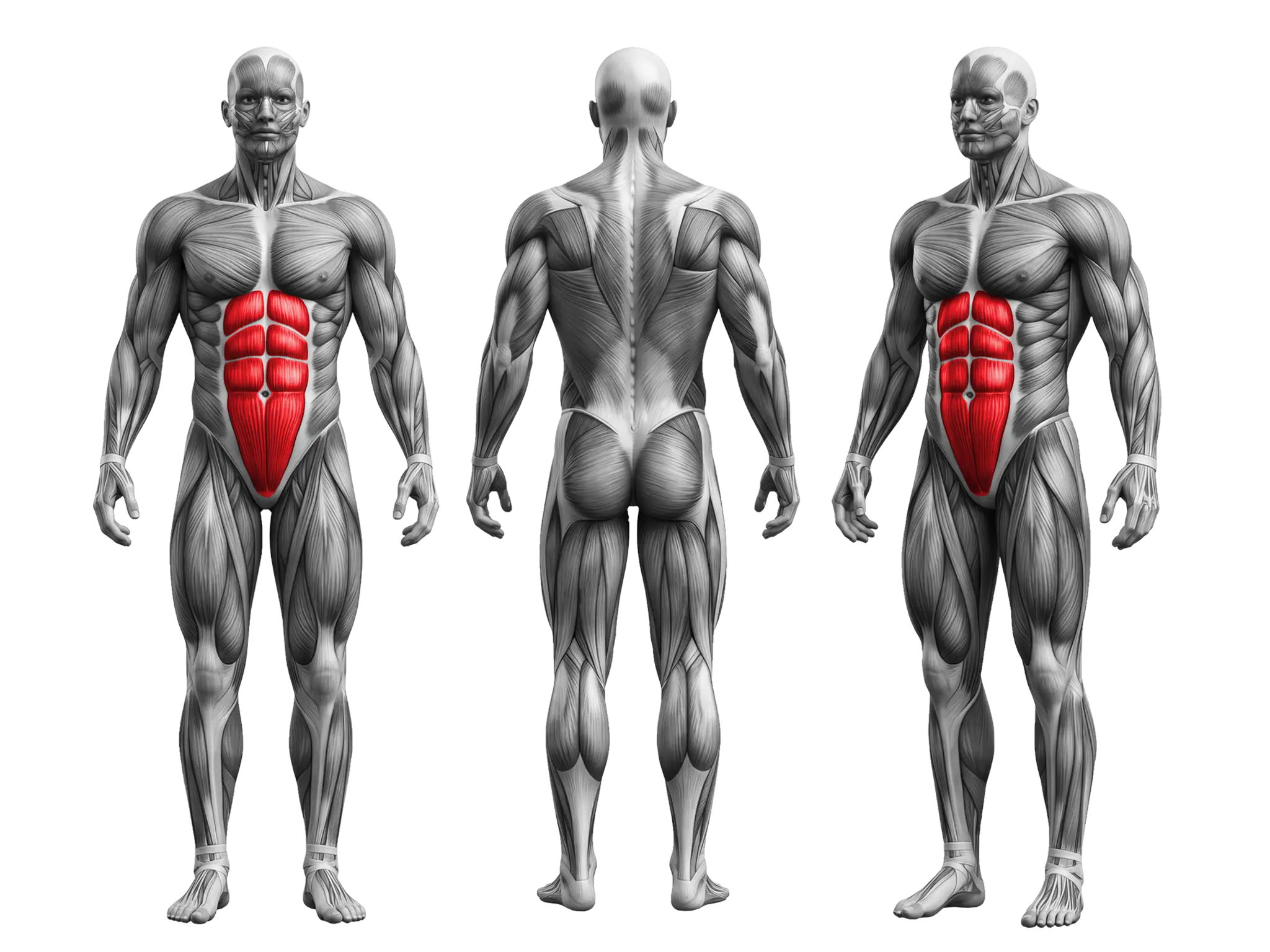
Rectus Abdominis
Primary
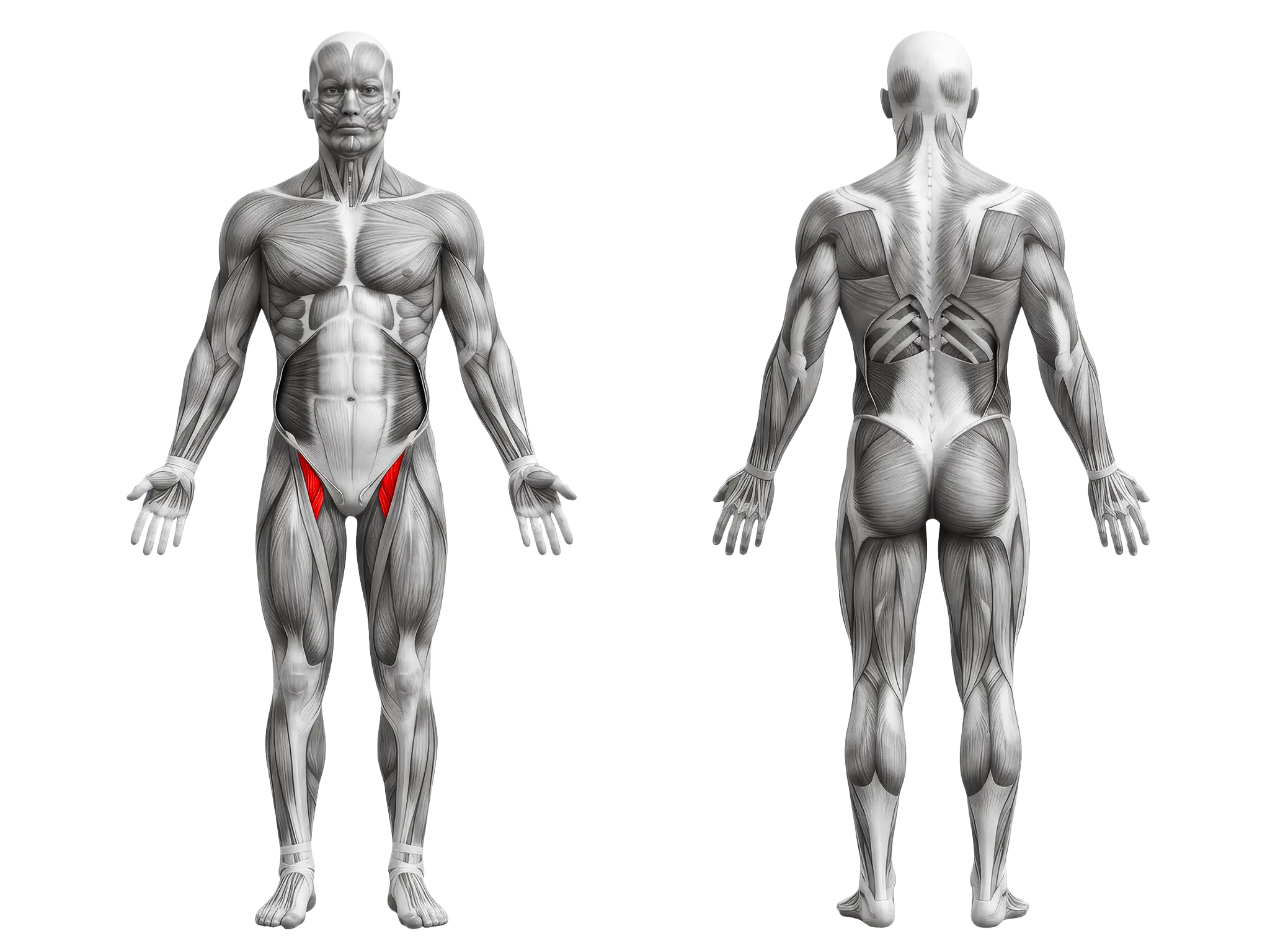
Hip Flexors (Iliopsoas)
Assisting
Transverse Abdominis
Assisting

Exercise Instructions

Leg Raises

Exercise guide — Setup / Technique / Tips / Mistakes

Setup

Lie on your back with your legs together and your knees slightly bent — a soft bend, not a 90-degree fold. Hands flat on the floor beside your hips, or tucked under your lower back if that feels better. Lift your head and shoulders slightly off the floor and hold them there for the whole set. Press your lower back down into the floor before the first rep.

Why the setup does the work here

The soft knee bend is deliberate. With legs fully straight, the weight sits far from your body and your hip flexors and lower back take most of the load — that's where people end up with a sore back instead of a working stomach. Bend the knees a little and that load shifts up into the lower abs, where you want it. The slight torso lift does the same job from the other end: it switches the upper stomach on so the whole front of your core is working, not just the bottom half.

Technique

Raise your legs until your hips are over your hipbones — roughly vertical thighs — and at the top, curl your tailbone a few centimetres off the floor. That small lift at the end is the real rep. Lower the legs slowly and under control, and stop just before your heels touch the ground. Keep your lower back pressed into the floor the whole way down, and keep your head and shoulders up. Breathe out as the legs rise.

Why technique decides everything here

Your abs don't lift your legs — your hips do. What your abs actually do is curl your pelvis toward your ribs. That's why the tailbone lift at the top matters so much: without it you're doing a hip exercise with your stomach along for the ride. The lowering is the other half. Going down slowly and stopping short of the floor keeps the muscle loaded the whole time, and the moment your lower back arches off the ground, the set has moved from your abs to your spine. Stop the rep there and reset.

Common Mistakes

Letting the lower back arch on the way down — the most common one, and the one that hurts. Dropping the legs fast and bouncing off the floor. Straightening the legs fully, which overloads the hips. Stopping at vertical without the tailbone curl, so the hardest and most useful part of the rep never happens. And resting the head down between reps, which lets the upper stomach switch off.

Where people lose results

Most people chase range — lowering the legs all the way to the floor because it feels like a bigger movement. It isn't. The moment your back lifts, your abs stopped working. Cut the range short, keep the back flat, add the tailbone curl at the top, and a set of ten will do more than a set of thirty ever did. When it gets easy, slow the lowering down or hold a light ball between your knees — don't just add reps.
Target Muscles
Rectus Abdominis
Primary
Hip Flexors (Iliopsoas)
Assisting
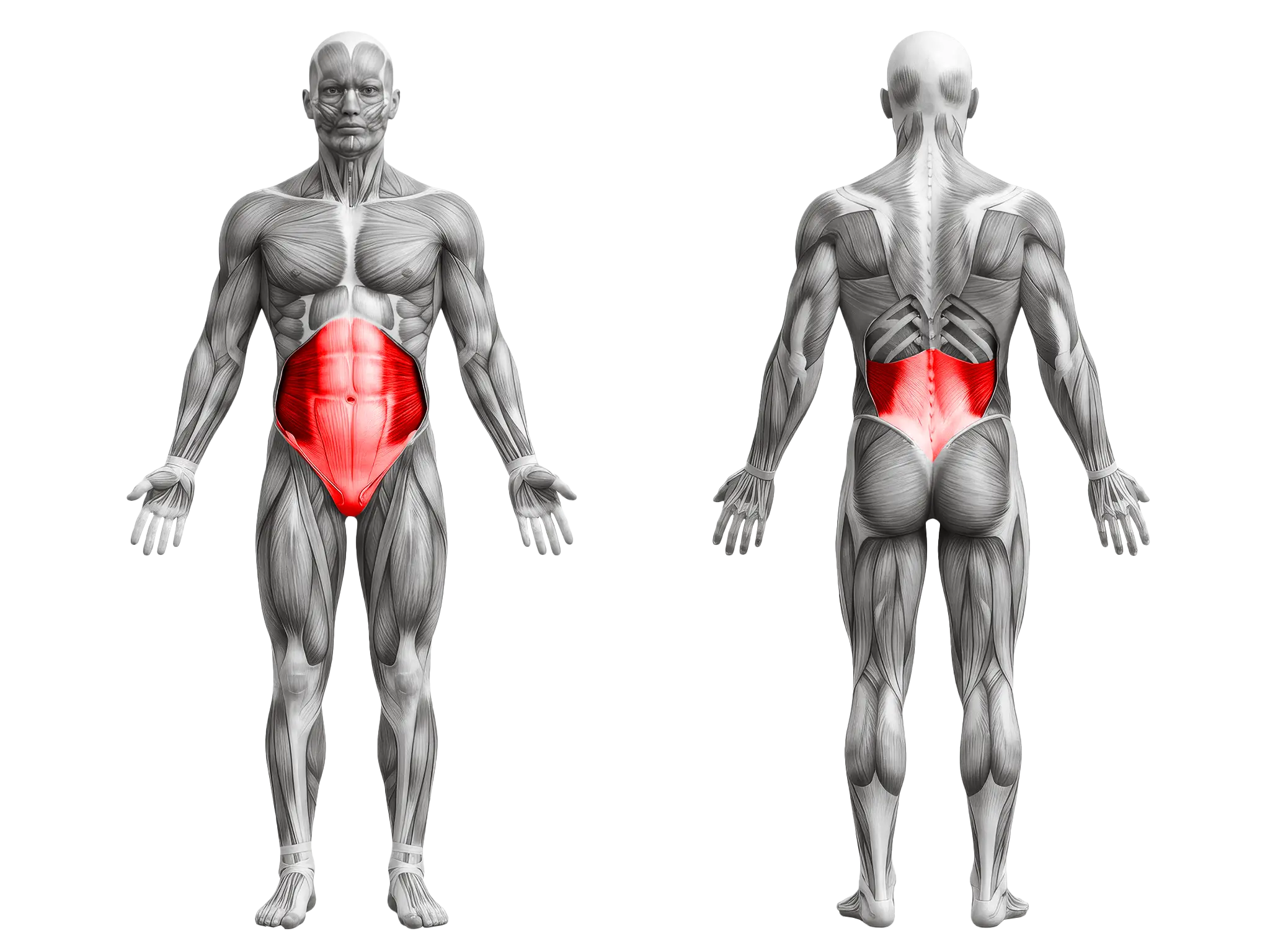
Transverse Abdominis
Assisting