Exercise Instructions
Close-Grip Seated Cable Row
.png)
Why this one is in the program
Pulldowns and pull-ups build your width. This builds your thickness.
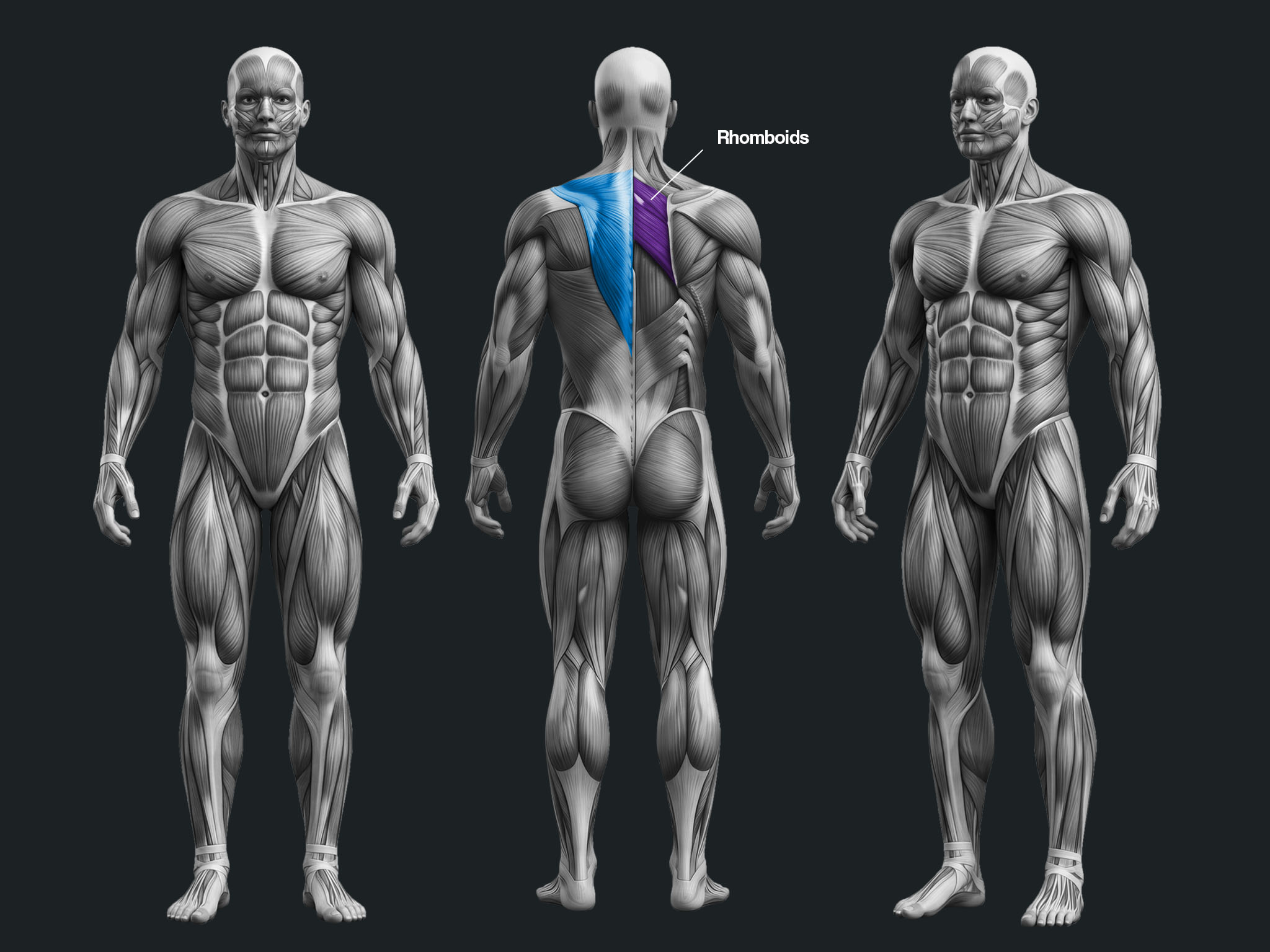
That's the difference. Pulling from above makes your back wider from the front. Pulling from in front of you makes it thicker from the side — the detail through the middle, the meat between your shoulder blades. You need both, and this is where the second half comes from.
The narrow, neutral grip is deliberate. With your palms facing each other and your elbows tucked close to your body, your lats are in their strongest position and they get the load directly. It's also the friendliest grip your shoulders will see all day — no flaring, no impingement, just a clean pull.
And here's why I like it late in the session: the cable holds tension the whole way through. There's no point in the rep where the weight gets easy, and there's no bar over your body to worry about. You can push this one properly hard when you're already tired, without technique falling apart on you.
Setup
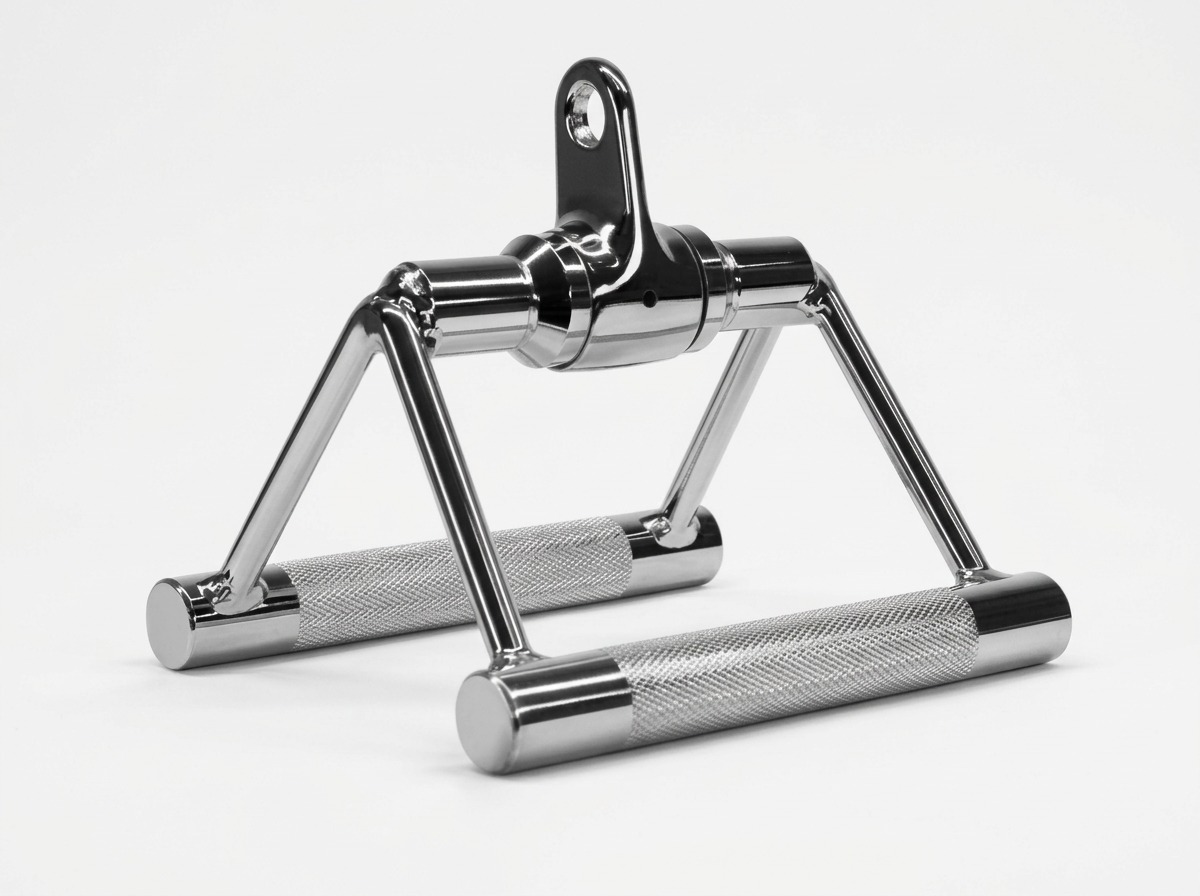
- Attach the V-bar (narrow neutral handle) to the low pulley.
- Sit down, feet flat on the platform, knees slightly bent — never locked straight.
- Lean forward, take the handle, then sit back up until your arms are straight and the cable is under tension.
- Sit tall, chest up, shoulders back.
- Let your arms straighten fully and allow your shoulder blades to travel forward into the stretch.
- Brace your abs. That's your start position.
Why the setup does the work here
Two things here, and both are simple.
Keep a soft bend in your knees. Locked-out legs mean every rep pulls on your lower back and hamstrings. A small bend takes that away and lets your back do its job.
Let your shoulder blades come forward at the start. This is the part almost everyone skips. They sit rigid with their chest locked and pull with their arms only. Let the weight stretch your shoulder blades forward at the front of every rep — that stretch is free range of motion, and free range of motion is free growth. Just don't let your lower back round with it. Shoulder blades move, spine stays flat.
Technique
- Start each rep by pulling your shoulder blades back and together, before your arms bend.
- Drive your elbows straight back, tight along your sides — not out to the sides.
- Pull the handle into your lower ribs or belly button.
- Squeeze your shoulder blades together hard for one full second.
- Let the handle travel back out slowly, 2–3 seconds, until your arms are straight.
- Let the shoulder blades stretch forward again, then start the next rep.
- Keep your torso still the whole time — the handle moves, you don't.
Why technique decides everything here
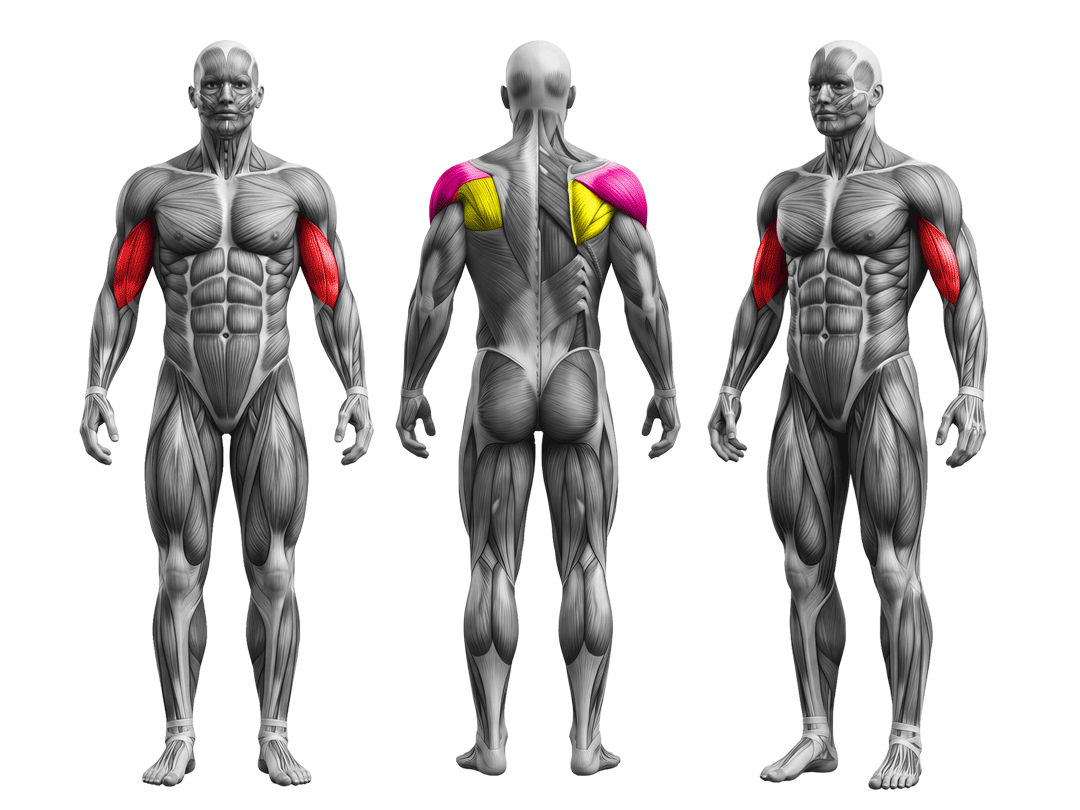
Same rule as every pull in this program: your hands are hooks, your elbows do the work. Think about driving your elbows back past your ribs. Think about your hands and your biceps take over.
The elbows staying tucked is what makes this the narrow row. Let them drift out wide and you've turned it into a rear-delt and upper-back exercise — a good movement, but not this one. Elbows in tight, handle to your stomach, and the lats get it.
The other rule: your torso stays put. The most common way people cheat here is rocking — leaning back as they pull, leaning forward as they return. It lets you move a lot more weight and it takes the load right off your back. Set your position and freeze it. If you're swinging, the weight is wrong.
And use both ends of the rep. A real one-second squeeze at the back, a slow three-second return to a full stretch at the front. That's where this exercise pays you.
Common Mistakes
- Rocking the torso back and forth to move the weight.
- Locking the knees straight and pulling through the lower back.
- Flaring the elbows out wide instead of keeping them tucked.
- Pulling with the hands and biceps instead of the elbows.
- Never letting the shoulder blades come forward at the front.
- Rounding the lower back to reach further forward.
- Shrugging the shoulders up at the back of the rep.
- Letting the weight yank the arms forward instead of controlling it.
Where people lose results
Most people lose this exercise to too much weight. The tell is easy to spot: the torso starts rocking, the shoulder blades never fully squeeze together at the back and never fully release at the front. The whole set becomes short jerky pulls through the middle of the range, with your lower back and momentum doing what your lats were supposed to do.
Here's the honest test — try it on your next set: pull with your torso completely frozen, hold the squeeze for one second, and take three full seconds on the return. If you can't finish the set that way, that's not your weight. Drop two plates and do it properly.
But don't overcorrect. Too light weight kills this exercise just as fast. Perfect form with a weight you could do 5 more reps with sends your body no reason to change — you're rehearsing the movement, not training it. If you finish a set and you're not close to your RIR target, you went too light. Add weight next set.
The weight is right when your form holds and the last reps are genuinely hard. Both, not one. Then progress it: once every working set hits the top of your rep range clean, add the smallest increment the stack allows and climb the range again.
.jpg)
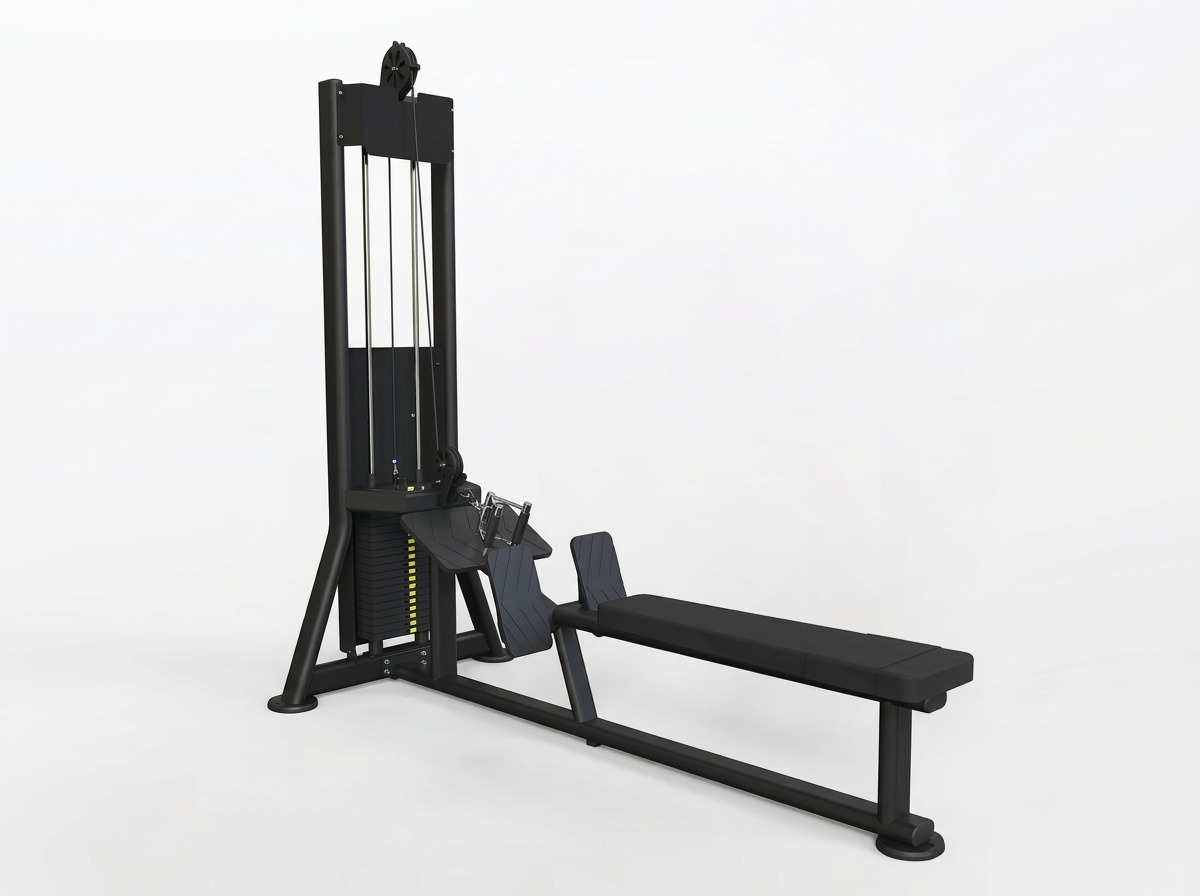
Seated Cable Row Machine (low pulley station)
The seated station with a low pulley in front of you, a bench or pad to sit on, and a platform for your feet.