Consistency training
No perfect days. Just consistent ones.
Back to workout

Exercise Instructions

Dumbbell Lateral Raise

Side Lateral Raise
Exercise guide — Setup / Technique / Tips / Mistakes

Why this one is in the program

This is the exercise that makes your shoulders wide.

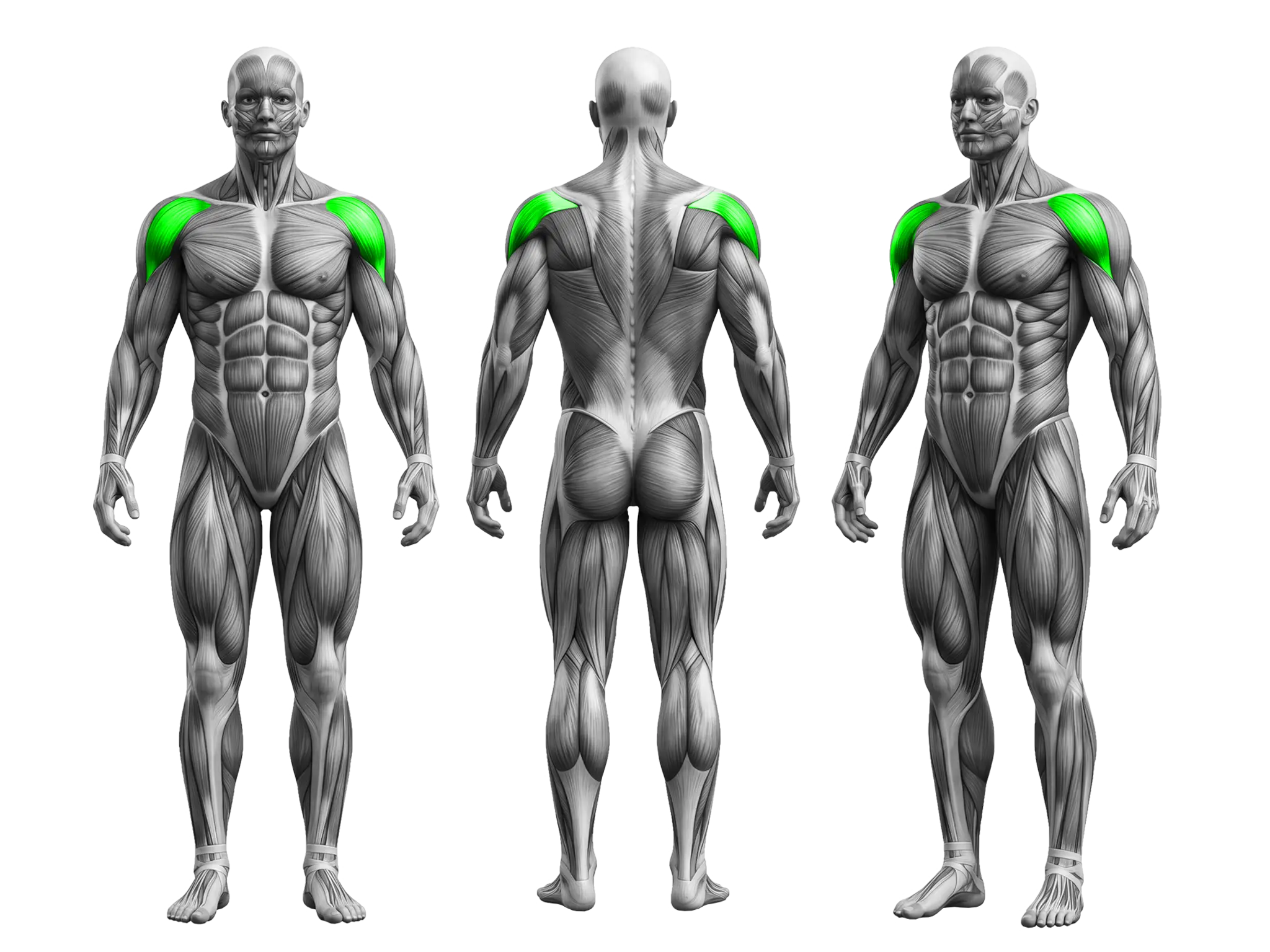
Your side delt is the muscle that sits on the outside of your shoulder, and it's the single biggest factor in how broad you look from the front. Pressing movements — bench, overhead press — mostly hit the front delt. The side delt barely gets touched. If you only press, your shoulders get strong and stay narrow.

And here's why it matters beyond the mirror: wide shoulders make your waist look smaller. Same waist, better shape. There's no other muscle that changes your silhouette this cheaply.

One thing you need to understand about this exercise, because it decides how you train it. With a dumbbell, gravity pulls straight down. At the bottom of the rep, with your arms at your sides, the dumbbell is hanging in line with your shoulder joint — there's almost no load on the muscle at all. As you lift, the resistance climbs, and it peaks at the top when your arm is horizontal. So the dumbbell version loads your side delt hardest in the contracted, top half of the movement.

The cable version does the opposite. Set the pulley low and cross the cable behind you, and there's tension on the muscle from the very first inch — including at the bottom, where your delt is stretched. Stretch under load is one of the strongest growth signals there is.

That's why I program both. They're not the same exercise done twice. Dumbbells own the top of the range and let you move real weight. Cables own the bottom and hold tension the whole way. Different halves of the same job.

Setup

  • Take a dumbbell in each hand and stand tall, feet hip-width.
  • Let the dumbbells hang at your sides, palms facing in toward your thighs.
  • Brace your abs and squeeze your glutes so your torso can't swing.
  • Lean your torso forward very slightly — about 10°.
  • Bend your elbows slightly, maybe 10–20°, and lock that angle.
  • Pull your shoulders down, away from your ears.
  • Start the rep from a dead stop. No swinging out of the bottom.

Why the setup does the work here

The elbow bend is the detail that changes this exercise. Straight arms make a long lever, and a long lever means you'll be stuck with tiny dumbbells forever. Bend your elbows slightly and the lever shortens — now you can handle noticeably more weight, and that extra weight lands on your side delt instead of being burned up by the leverage.

But the bend has to be fixed. Set it at the start and hold it. If your elbows are opening and closing as you lift, you've turned a raise into a sloppy half-curl and the delt stops being the thing doing the work.

The slight forward lean isn't optional either. Your side delt fibres run at a slight angle. Standing bolt upright puts the dumbbell path slightly in front of the muscle's best line. Lean forward ten degrees and the path lines up better — you'll feel the difference on the first set.

And keep your shoulders down. If your shoulders are already up by your ears before you start, your traps will take the exercise. Pull them down, keep them there, and let your delts lift.

Technique

  • Lead with your elbows, not your hands. Think about lifting your elbows out to the sides.
  • Keep your elbows higher than your hands the entire way up.
  • Raise until your upper arms are roughly parallel to the floor — shoulder height.
  • Keep the elbow angle exactly the same from bottom to top.
  • Pause for a beat at the top and feel the outside of the shoulder working.
  • Lower slowly, 2–3 seconds, all the way back down.
  • Keep your torso completely still. The arms move, you don't.
  • Reset at the bottom, then go again.

Why technique decides everything here

The one cue that fixes almost everything: lift your elbows, not the dumbbells. Your hands just hold the weight. The moment you start thinking about raising your hands, the dumbbells rise above your elbows — and that's the end of the exercise. When the hand goes higher than the elbow, your shoulder rotates into a position where the side delt can't finish the movement, and your traps step in to help. Elbows lead, hands follow, always slightly lower.

The torso stays frozen. The most common cheat here is a small bounce of the knees and hips on every rep. It lets you use much heavier dumbbells and it throws them up with your body, not your shoulders. Squeeze your glutes, brace your abs, and make the weight move without you moving.

Stop at shoulder height. Going higher doesn't add more side delt — past horizontal, your traps take over and the shoulder blade starts rotating. Up to parallel, pause, and back down.

And don't waste the way down. Lowering slowly under control is free growth that costs you nothing. Let the dumbbells drop fast and you've thrown away half of every rep. Three seconds down, every time.

Common Mistakes

  • Using too much weight and bouncing it up with the legs and torso.
  • Bending the elbows too much, turning it into an upright row.
  • Letting the elbow angle change during the rep instead of keeping it fixed.
  • Letting the hands rise higher than the elbows.
  • Locking the arms completely straight, which forces a much lighter weight.
  • Raising above shoulder height and handing the work to the traps.
  • Shrugging the shoulders up as the dumbbells rise.
  • Dropping the weights back down with no control.
  • Starting each rep with a swing instead of a dead stop.

Where people lose results

This is the most butchered exercise in any gym, and it's almost always the same cause: the weight is too heavy.

Watch someone who's overloaded it and you'll see the whole list at once. The knees dip and the torso swings to throw the dumbbells up. The elbows bend more and more to shorten the lever. The hands drift above the elbows. The shoulders shrug. What started as a side-delt exercise is now a full-body movement where the traps and momentum do the work and the delt gets almost nothing.

Here's the honest test. Stand still, feet planted, and lift the dumbbells with your torso completely motionless, taking three seconds on the way down. If you can't do that for your full rep range, that's not your weight. Drop to something that looks embarrassingly light and do it properly — this is one exercise where nobody has ever been impressed by the number, and the people with the best side delts are almost always using less than you'd think.

The two technique faults that cost the most:

Arms too straight. Locked-out elbows make the lever as long as it can be, which means tiny dumbbells and a lot of stress on the elbow joint. A fixed 10–20° bend lets you handle real weight and puts it on the delt. This one costs you weight you could have been lifting.

Hands above the elbows. This kills the end of the rep — the exact part where the side delt is contracting hardest. If the dumbbells are higher than your elbows at the top, you've rotated out of the working position and you're feeling traps, not delts. Elbows lead the whole way.

Then the other direction. Clean form with a weight you could lift twenty-five more times trains nothing. The side delt is a small muscle that responds well to volume, so it lives in the 12–25 rep range — but the last reps still have to be genuinely hard. Right weight means both: the torso stays frozen and you finish near your RIR target.

Progress it the same way as everything else: when every working set hits the top of your range with clean form and no swing, move up to the next dumbbell. The jumps will feel big — that's normal on a small muscle. Add reps until the new weight sits in the range again.

Target Muscles
Lateral (Middle) Deltoid
Primary
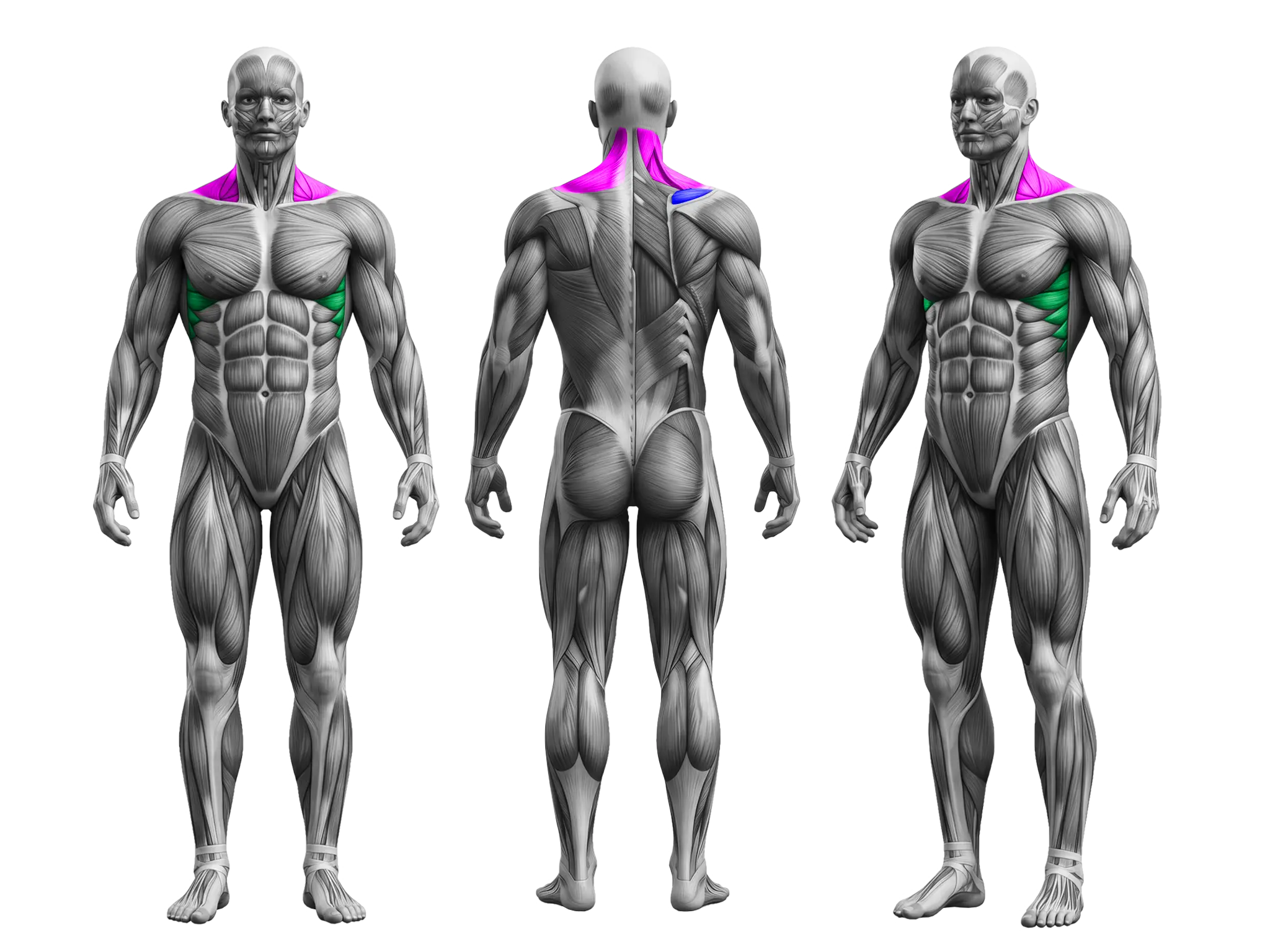
Anterior & Posterior Deltoid
Assisting
Supraspinatus, Upper Trapezius & Serratus Anterior
Assisting
Recommended Equipment

Dumbbells
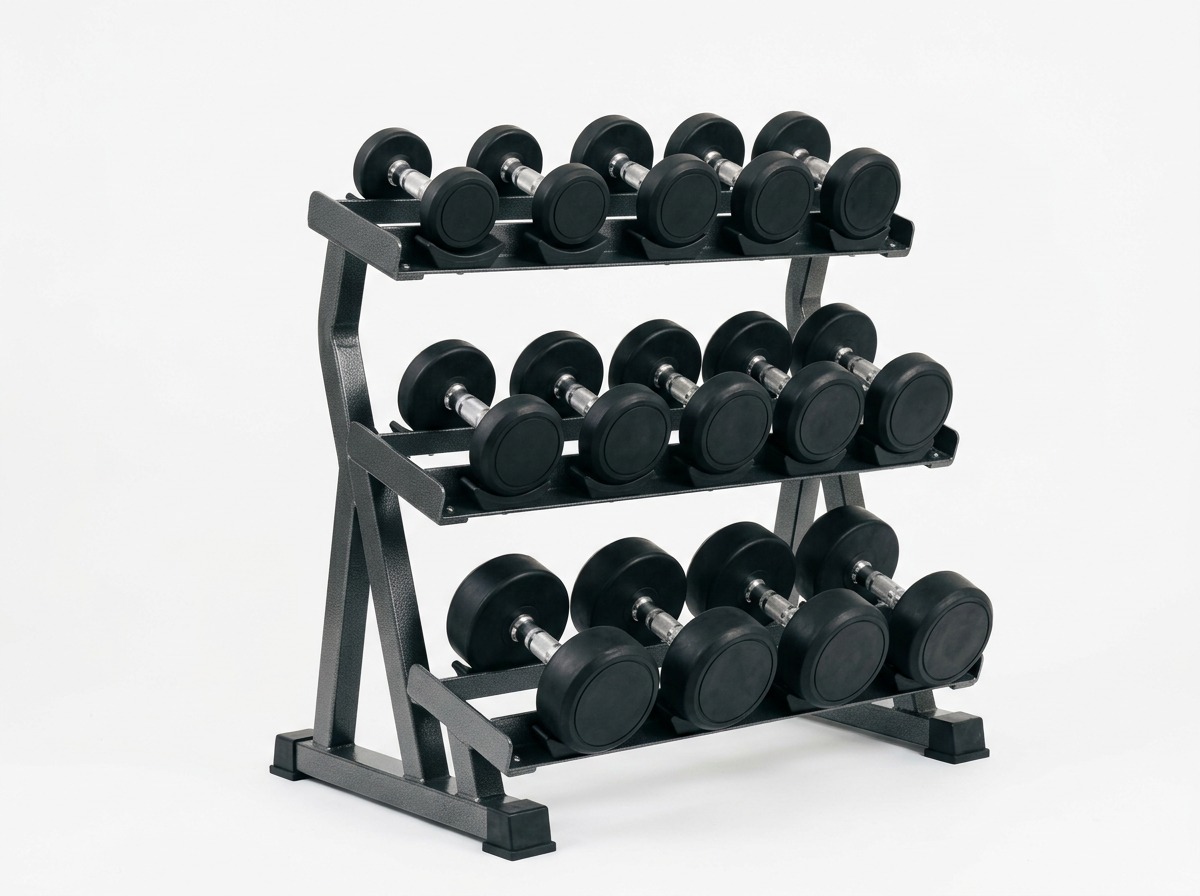
Two matched dumbbells, held with the palms facing in toward your thighs. Take a weight you can raise with your torso completely still and lower over a full three seconds. This is the exercise where people load the heaviest relative to what they can actually control, and it's the exercise where that costs the most — the side delt is a small muscle and it doesn't need much. Most people should be starting far lighter than they do, and the ones with the best side delts are usually using less weight than you'd guess. Progress in the smallest jump your dumbbell rack allows; on a small muscle those jumps feel large, so expect to spend a few weeks climbing the rep range after each one.

Exercise Instructions

Dumbbell Lateral Raise

(
Side Lateral Raise
)
Exercise guide — Setup / Technique / Tips / Mistakes

Why this one is in the program

This is the exercise that makes your shoulders wide.

Your side delt is the muscle that sits on the outside of your shoulder, and it's the single biggest factor in how broad you look from the front. Pressing movements — bench, overhead press — mostly hit the front delt. The side delt barely gets touched. If you only press, your shoulders get strong and stay narrow.

And here's why it matters beyond the mirror: wide shoulders make your waist look smaller. Same waist, better shape. There's no other muscle that changes your silhouette this cheaply.

One thing you need to understand about this exercise, because it decides how you train it. With a dumbbell, gravity pulls straight down. At the bottom of the rep, with your arms at your sides, the dumbbell is hanging in line with your shoulder joint — there's almost no load on the muscle at all. As you lift, the resistance climbs, and it peaks at the top when your arm is horizontal. So the dumbbell version loads your side delt hardest in the contracted, top half of the movement.

The cable version does the opposite. Set the pulley low and cross the cable behind you, and there's tension on the muscle from the very first inch — including at the bottom, where your delt is stretched. Stretch under load is one of the strongest growth signals there is.

That's why I program both. They're not the same exercise done twice. Dumbbells own the top of the range and let you move real weight. Cables own the bottom and hold tension the whole way. Different halves of the same job.

Setup

  • Take a dumbbell in each hand and stand tall, feet hip-width.
  • Let the dumbbells hang at your sides, palms facing in toward your thighs.
  • Brace your abs and squeeze your glutes so your torso can't swing.
  • Lean your torso forward very slightly — about 10°.
  • Bend your elbows slightly, maybe 10–20°, and lock that angle.
  • Pull your shoulders down, away from your ears.
  • Start the rep from a dead stop. No swinging out of the bottom.

Why the setup does the work here

The elbow bend is the detail that changes this exercise. Straight arms make a long lever, and a long lever means you'll be stuck with tiny dumbbells forever. Bend your elbows slightly and the lever shortens — now you can handle noticeably more weight, and that extra weight lands on your side delt instead of being burned up by the leverage.

But the bend has to be fixed. Set it at the start and hold it. If your elbows are opening and closing as you lift, you've turned a raise into a sloppy half-curl and the delt stops being the thing doing the work.

The slight forward lean isn't optional either. Your side delt fibres run at a slight angle. Standing bolt upright puts the dumbbell path slightly in front of the muscle's best line. Lean forward ten degrees and the path lines up better — you'll feel the difference on the first set.

And keep your shoulders down. If your shoulders are already up by your ears before you start, your traps will take the exercise. Pull them down, keep them there, and let your delts lift.

Technique

  • Lead with your elbows, not your hands. Think about lifting your elbows out to the sides.
  • Keep your elbows higher than your hands the entire way up.
  • Raise until your upper arms are roughly parallel to the floor — shoulder height.
  • Keep the elbow angle exactly the same from bottom to top.
  • Pause for a beat at the top and feel the outside of the shoulder working.
  • Lower slowly, 2–3 seconds, all the way back down.
  • Keep your torso completely still. The arms move, you don't.
  • Reset at the bottom, then go again.

Why technique decides everything here

The one cue that fixes almost everything: lift your elbows, not the dumbbells. Your hands just hold the weight. The moment you start thinking about raising your hands, the dumbbells rise above your elbows — and that's the end of the exercise. When the hand goes higher than the elbow, your shoulder rotates into a position where the side delt can't finish the movement, and your traps step in to help. Elbows lead, hands follow, always slightly lower.

The torso stays frozen. The most common cheat here is a small bounce of the knees and hips on every rep. It lets you use much heavier dumbbells and it throws them up with your body, not your shoulders. Squeeze your glutes, brace your abs, and make the weight move without you moving.

Stop at shoulder height. Going higher doesn't add more side delt — past horizontal, your traps take over and the shoulder blade starts rotating. Up to parallel, pause, and back down.

And don't waste the way down. Lowering slowly under control is free growth that costs you nothing. Let the dumbbells drop fast and you've thrown away half of every rep. Three seconds down, every time.

Common Mistakes

  • Using too much weight and bouncing it up with the legs and torso.
  • Bending the elbows too much, turning it into an upright row.
  • Letting the elbow angle change during the rep instead of keeping it fixed.
  • Letting the hands rise higher than the elbows.
  • Locking the arms completely straight, which forces a much lighter weight.
  • Raising above shoulder height and handing the work to the traps.
  • Shrugging the shoulders up as the dumbbells rise.
  • Dropping the weights back down with no control.
  • Starting each rep with a swing instead of a dead stop.

Where people lose results

This is the most butchered exercise in any gym, and it's almost always the same cause: the weight is too heavy.

Watch someone who's overloaded it and you'll see the whole list at once. The knees dip and the torso swings to throw the dumbbells up. The elbows bend more and more to shorten the lever. The hands drift above the elbows. The shoulders shrug. What started as a side-delt exercise is now a full-body movement where the traps and momentum do the work and the delt gets almost nothing.

Here's the honest test. Stand still, feet planted, and lift the dumbbells with your torso completely motionless, taking three seconds on the way down. If you can't do that for your full rep range, that's not your weight. Drop to something that looks embarrassingly light and do it properly — this is one exercise where nobody has ever been impressed by the number, and the people with the best side delts are almost always using less than you'd think.

The two technique faults that cost the most:

Arms too straight. Locked-out elbows make the lever as long as it can be, which means tiny dumbbells and a lot of stress on the elbow joint. A fixed 10–20° bend lets you handle real weight and puts it on the delt. This one costs you weight you could have been lifting.

Hands above the elbows. This kills the end of the rep — the exact part where the side delt is contracting hardest. If the dumbbells are higher than your elbows at the top, you've rotated out of the working position and you're feeling traps, not delts. Elbows lead the whole way.

Then the other direction. Clean form with a weight you could lift twenty-five more times trains nothing. The side delt is a small muscle that responds well to volume, so it lives in the 12–25 rep range — but the last reps still have to be genuinely hard. Right weight means both: the torso stays frozen and you finish near your RIR target.

Progress it the same way as everything else: when every working set hits the top of your range with clean form and no swing, move up to the next dumbbell. The jumps will feel big — that's normal on a small muscle. Add reps until the new weight sits in the range again.

Target Muscles
Lateral (Middle) Deltoid
Primary
Anterior & Posterior Deltoid
Assisting
Supraspinatus, Upper Trapezius & Serratus Anterior
Assisting
Recommended Equipment

Dumbbells
Two matched dumbbells, held with the palms facing in toward your thighs. Take a weight you can raise with your torso completely still and lower over a full three seconds. This is the exercise where people load the heaviest relative to what they can actually control, and it's the exercise where that costs the most — the side delt is a small muscle and it doesn't need much. Most people should be starting far lighter than they do, and the ones with the best side delts are usually using less weight than you'd guess. Progress in the smallest jump your dumbbell rack allows; on a small muscle those jumps feel large, so expect to spend a few weeks climbing the rep range after each one.

Flat Bench or a Rack to Lean On (optional)
Neither is required, but both fix specific problems. Sitting on the flat bench takes your legs out of the movement entirely — if you know you swing when the set gets hard, this is the cure, and the weight you use seated is your honest weight. Holding onto a rack, machine upright or door frame with one hand and leaning your body away lets you train one side at a time through a longer range: leaning out shifts the dumbbell's path so there's load on the delt earlier in the rep, closer to what a cable gives you. Use either when your form starts drifting, or just to change the stimulus without changing the exercise.

Gym Alternative
Cable Lateral Raise

Honestly, this is the better first alternative, not the machine. Most gyms simply don't have a dedicated lateral raise machine; the ones that do often have an old one that fits nobody. The cable is available in every gym and it gives you what the dumbbell can't: tension at the bottom of the rep, where the delt is stretched. Stand side-on to the stack, take the handle in the far hand with the cable running across the front of your body, and raise.

Additional gym alternatives, best to worst:

Additional gym alternatives, best to worst:

  1. Lateral Raise Machine (if your gym actually has one — great, use it; the pad removes all cheating)
  2. Leaning Cable Lateral Raise (hold the machine with one hand and lean away — longest range of motion of any version)
  3. Seated Dumbbell Lateral Raise (the bench kills the leg drive completely — no swinging possible)
  4. Lean-Away Dumbbell Lateral Raise (one hand on a rack, body angled — dumbbell version of the same idea)
  5. Machine Reverse-Pec-Deck set to the side raise position, if your gym's pec deck allows it
Home Alternative
Dumbbell Lateral Raise

It's the same exercise. This is one of the very few movements where home and gym are identical: a pair of dumbbells, a bit of floor space, and that's the whole requirement. If you own dumbbells, you're not missing anything.

Additional home alternatives:

Additional home alternatives:

  1. Resistance Band Lateral Raise — stand on the band, one handle in each hand; the band's rising tension matches the movement very well
  2. Single-Arm Band Lateral Raise — band under one foot, opposite hand, so the tension starts at the bottom like a cable
  3. Water Bottle / Backpack-Strap Raises — anything with a handle; this muscle needs very little weight
  4. Lean-Away Dumbbell Lateral Raise — hold a door frame with one hand and lean out
  5. Seated Dumbbell Lateral Raise on a chair — removes all leg drive