Exercise Instructions
Pec Deck Machine Fly

Why this one is in the program
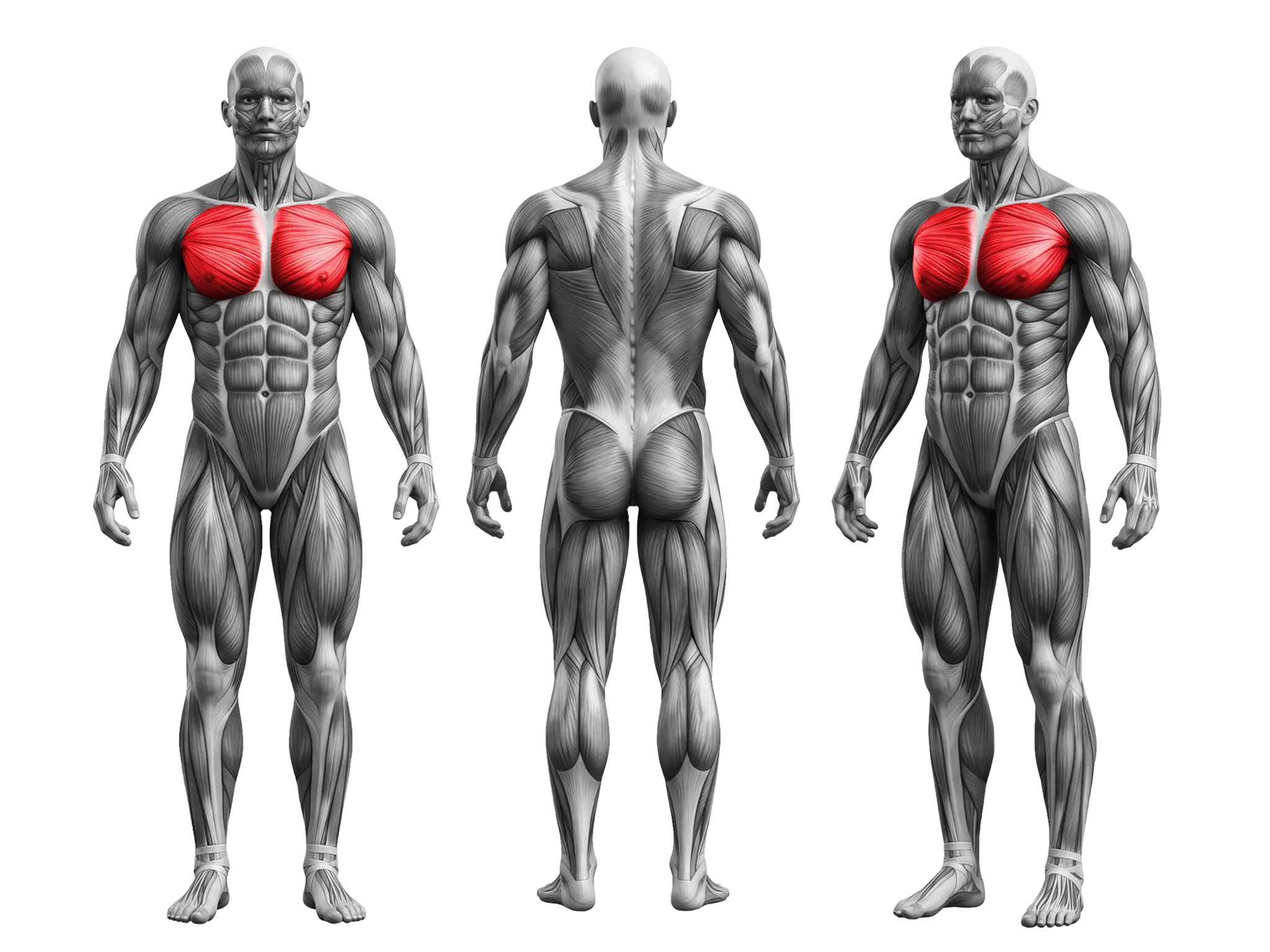
This is the exercise that trains your chest the way it actually works.
Presses — bench, dips, push-ups — all push the weight away from you, and your triceps and shoulders help every rep. The pec deck does something different: your arms stay almost straight and your job is simply to bring them together. That's the chest's real function, and here it's the only muscle that can do it.
No triceps helping, no shoulders pressing, nothing to balance. Just chest.
That's why it belongs late in a chest session. The heavy pressing builds you; this empties what's left. And because you're locked into a seat with nothing above your body, you can push this one all the way to failure safely.
Setup
- Sit down and adjust the seat height first — this is the most important step.
- Set it so your hands sit at shoulder level or very slightly above — never below.
- Sit back with your whole back pressed into the pad.
- Plant both feet flat on the floor.
- Push your chest up and out — proud chest, like someone's calling your name.
- Pull your shoulders down and back, away from your ears.
- Take the handles with a light grip, elbows slightly bent and fixed there.
Why the setup does the work here
Seat height is the whole safety story. If your hands end up below your shoulders, your shoulder joint gets pushed into a bad, strained position every single rep — and that's how people's shoulders start hurting on this machine. Hands at shoulder level, or a touch above, is the safe window. Adjust the seat before your first rep, every time.
The proud chest is what makes it work. Push your ribcage up and out, shoulders back and down. Now your chest is stretched and in its strongest position, so it gets the load. Sit slouched with your shoulders rolled forward and the front of your shoulder takes the exercise instead.
And fix that small elbow bend. Set it at the start and don't change it. If your elbows are opening and closing, you've turned a fly into a press.
Technique
- Start with your arms open wide and your chest stretched.
- Bring the handles together using your chest, not your arms. Think: squeeze the elbows toward each other.
- Keep your chest pushed up the entire time.
- Bring the handles all the way together and squeeze hard for one second.
- Open back out slowly, about 3 seconds.
- Let your chest stretch at the end of the range — don't cut it short.
- Keep your back and shoulders pinned to the pad. Nothing else moves.
Why technique decides everything here
Squeeze with the chest, not the hands. If you grip the handles tight and push with your palms, your arms and shoulders take over. Hold them lightly and think about driving your elbows together — the chest does the rest.
Use both ends of the rep. The squeeze at the front is where the muscle contracts hardest; the stretch at the back is where a lot of the growth comes from. Rushing either one throws away half the exercise.
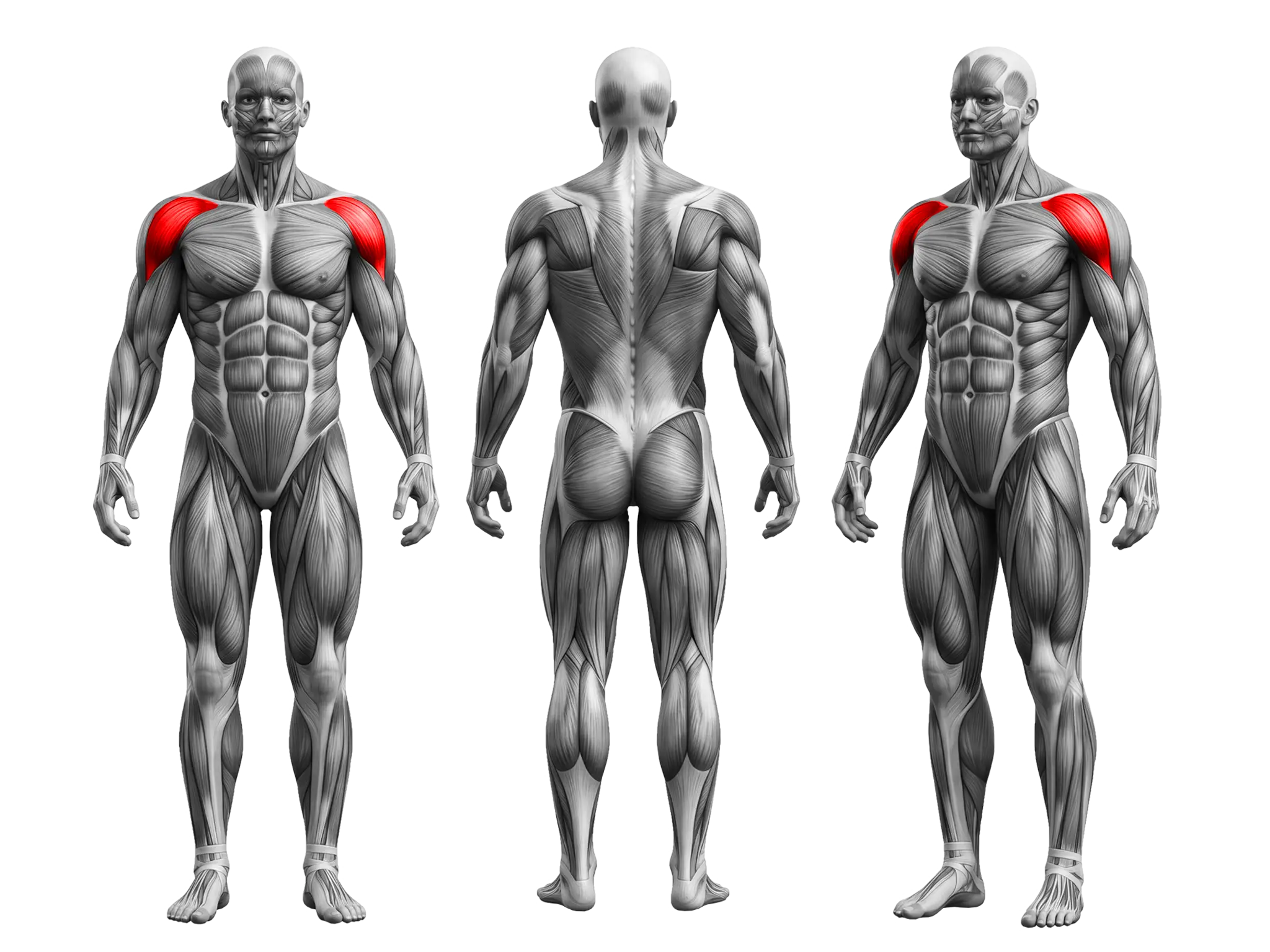
And keep your shoulders back. As the set gets hard, shoulders want to roll forward and help. The moment that happens, the front delt takes over. Shoulders down and back, chest up, every rep.
Common Mistakes
- Seat set too low, so the hands are below shoulder level.
- Slouching with the shoulders rolled forward instead of a proud chest.
- Gripping hard and pushing with the hands and arms.
- Letting the elbow bend change through the set.
- Not bringing the handles fully together.
- Cutting the stretch short at the back.
- Letting the weight snap the arms open instead of controlling it.
- Lifting the back off the pad to force reps.
Where people lose results
The seat is set wrong. The number one fault, and it costs twice. Hands below shoulder level is the position where shoulders get injured on this machine — and because the position is weak, you can't use a proper weight either. You end up straining your joints with a load that's too light to grow your chest. Fix: adjust the seat so your hands are at shoulder height or a touch above, before every single session.
Rolled-forward shoulders. Sit slouched and the work slides off your chest onto the front of your shoulder. You feel it in the wrong place and wonder why your chest isn't growing. Fix: chest up and out, shoulders pinned back.
Pushing with the arms. Gripping tight turns this into a pressing movement and the chest stops being the target. Fix: light grip, squeeze the elbows together.
Half reps. Not closing fully at the front, not opening fully at the back. Both ends matter. Fix: touch at the front, hold one second, stretch at the back.
Too heavy. All of the above happen at once: the back lifts off the pad, the elbows start bending, the shoulders roll forward, and the handles never meet. Too light is just as useless — perfect form with a weight you could do twenty more times trains nothing.
The honest test: back flat on the pad, chest up, handles touching at the front, three seconds opening back out. If you can't do that for your whole rep range, that's not your weight.
Stay in the 10–20 rep range. You're seated with nothing above you, so the last set can go all the way to failure — and this is a great exercise to finish with a dropset.

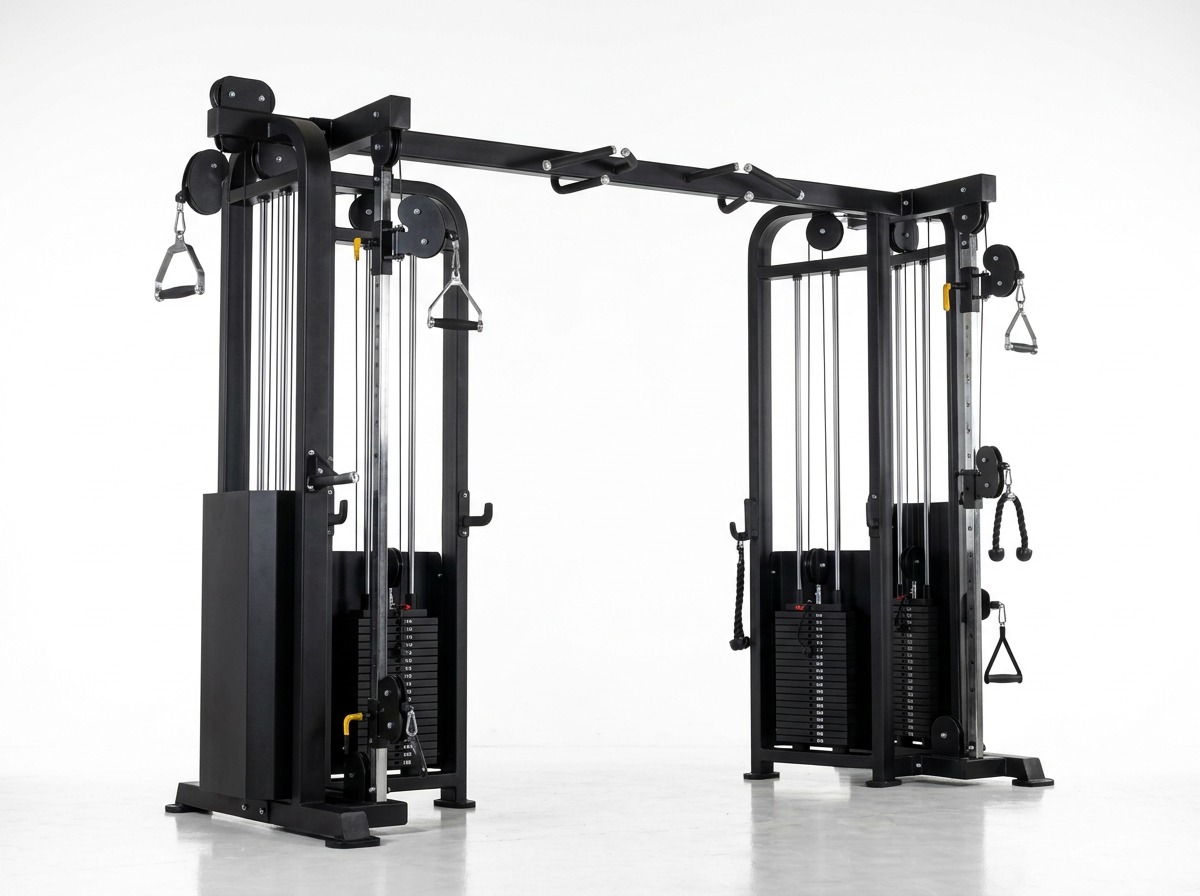
Pec Deck / Butterfly MachineThe seated machine with a back pad and two arms that swing together in front of you. Adjust the seat before every session — set it so your hands sit at shoulder level or slightly above when you grip the handles. Hands lower than your shoulders is the position where this machine hurts people, and it also leaves you too weak to use a useful weight. Sit with your whole back against the pad, feet flat on the floor, chest pushed up and out, shoulders pulled down and back. Hold the handles lightly with a small fixed bend in your elbows.