Exercise Instructions
Pull-Up
.png)
Why I never skip this one
If I had to keep one back exercise and delete the rest, this is the one I'd keep. The pull-up is the foundation — it's what a wide back is actually built on. Nothing loads your lats through a full stretch to a full contraction the way hanging from a bar does, and no machine reproduces it honestly.
But the lats are only half the story. When you hang and pull your own bodyweight, everything works: your forearms and grip, your biceps, your rear delts, your lower traps, your rhomboids, your abs holding you from swinging, even your glutes keeping your body in one line. Your shoulder blades, elbows and shoulder joints all move through a full, natural range under load — that's real joint health, not the fake kind you get from three sets of band pull-aparts. It teaches your body to move as one piece instead of as a collection of isolated muscles, and that coordination carries over into every other lift you do.
And there's the part people don't talk about: the dead hang itself. Hanging under your own weight decompresses your spine and opens the rib cage — that stretch through the chest and lats is why guys who've done pull-ups for years carry themselves differently. Broader, taller, more open through the front.
Skipping pull-ups because they're hard is the most expensive mistake a beginner makes. They're hard because they work. If you can't do them yet, you don't skip them — you assist them and work your way in. That's a completely different decision.
Setup
- Grip the bar with your palms facing away, hands slightly wider than shoulder width.
- Wrap your thumbs around the bar and squeeze — don't hang from open fingers.
- Hang with your arms completely straight and let your shoulders rise up toward your ears.
- Cross your ankles behind you or keep your legs straight and slightly forward.
- Squeeze your glutes and brace your abs so your body stops swinging.
- Now pull your shoulder blades down and back to take the slack out — this is where the rep starts.
Why the setup does the work here
Grip width is the first thing people get wrong. Very wide grips look impressive and do almost nothing — they cut your range of motion in half and jam your shoulders. Slightly wider than your shoulders gives you the longest pull, and the longest pull is the most muscle worked.
The full dead hang matters just as much. That bottom position, where your shoulders are up by your ears and your lats are completely stretched, is the most valuable part of the rep — it's where the growth signal is strongest and where your rib cage gets stretched open. Most people never touch it because they're scared of the bottom. Don't be. Hang, relax into it, then pull your shoulder blades down to begin.
Bracing isn't optional either. A loose body swings, and a swinging body uses momentum instead of muscle. Glutes tight, abs tight, one solid line from your hands to your feet — then your back is the only thing that can move you.
Technique
- Begin every rep by pulling your shoulder blades down and together, before your arms bend.
- Drive your elbows down and back toward your hips — think elbows, not hands.
- Keep your chest tall and lead with your upper chest, not your chin.
- Pull until your chin clears the bar and your chest is close to it.
- Squeeze your lats and hold the top position for a beat.
- Lower under control for 2–3 seconds all the way back to a full straight-arm hang.
- Reset the shoulder blades and go again — no bouncing out of the bottom.
Why technique decides everything here
The single cue that changes this exercise: your hands are hooks, not the thing doing the pulling. The second you think about pulling with your hands, your biceps and forearms take over and your lats get whatever's left. Think about driving your elbows down into your back pockets and the load lands exactly where you want it.
Starting the rep with your shoulder blades is what separates a pull-up from an arm exercise. If your arms bend first, your shoulder blades stay stuck up by your ears and your lats never fully engage — you'll finish the set with pumped biceps and a back that felt nothing. Blades down first, then elbows, then the rest of the rep follows.
Chest up is what opens you. Pulling with a rounded upper back and a craning chin is a shorter, uglier rep that trains the wrong thing. Lead with the chest, arch slightly through the upper back at the top, and you get the contraction and the rib cage stretch this exercise is famous for.
And the way down is not a break. That slow 2–3 second lowering under a full stretch is where a huge share of the growth comes from — it's also how you build the strength for more reps if you're still learning them. Dropping fast throws away half of every rep.
Common Mistakes
- Cutting the bottom short and never straightening the arms into a full hang.
- Stopping before the chin clears the bar, or craning the neck to fake it.
- Kipping — swinging the legs and using momentum to get up.
- Gripping way too wide, which shortens the range and stresses the shoulders.
- Bending the arms first and never pulling the shoulder blades down.
- Dropping down fast instead of lowering under control.
- Adding a weight belt before you can do clean, full-range reps with bodyweight alone.
- Letting the grip fail first and blaming the back.
Where people lose results
On pull-ups, most people are stuck at one of two extremes — and both look like training.
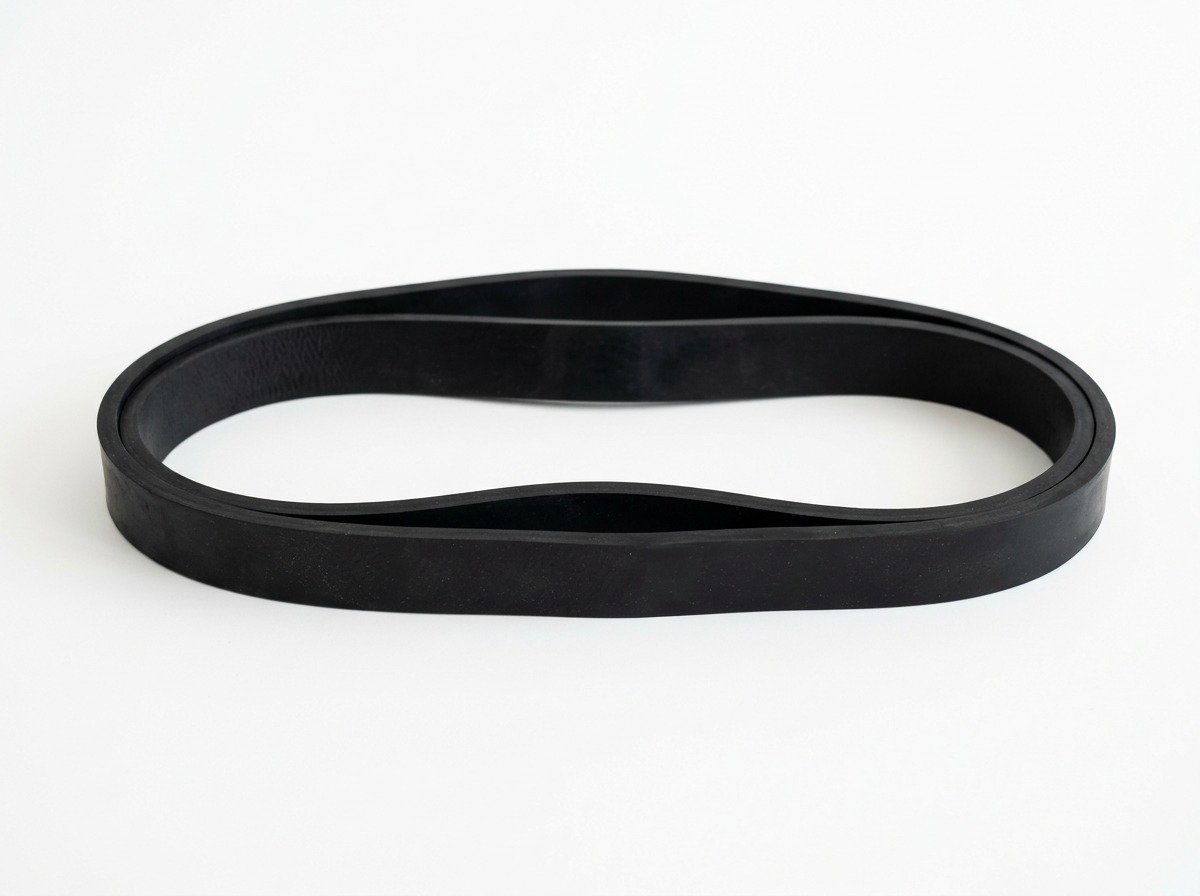
Too heavy is the obvious one, and on this exercise "too heavy" usually means your own bodyweight. You'll see it immediately: the arms never straighten at the bottom, the chin barely clears the bar, and the set turns into desperate little jerks through the middle third of the range. That's not a pull-up. That's a hard way to do nothing. Make it lighter — band, assisted machine, or slow negatives — until the reps are clean, then work your way back.
Too light is the quiet one, and it traps more people than you'd think. A band so thick it carries you to the top. The assist machine set at the same counterweight for eight months. Fifteen easy reps you could double. If your last rep isn't genuinely hard, your body has no reason to change — you're practising pull-ups, not training them.
And here's the killer nobody talks about: never leaving bodyweight behind. Pull-ups are the one exercise people treat as having no progression. They hit twelve clean reps and then do twelve clean reps forever. Once you can hit the top of your rep range on every working set, this becomes a weighted exercise — belt, dumbbell between the feet, or a plate in a backpack — in the smallest jump you can find. Same rule as every other lift in the system: clean reps first, then more reps, then more weight.
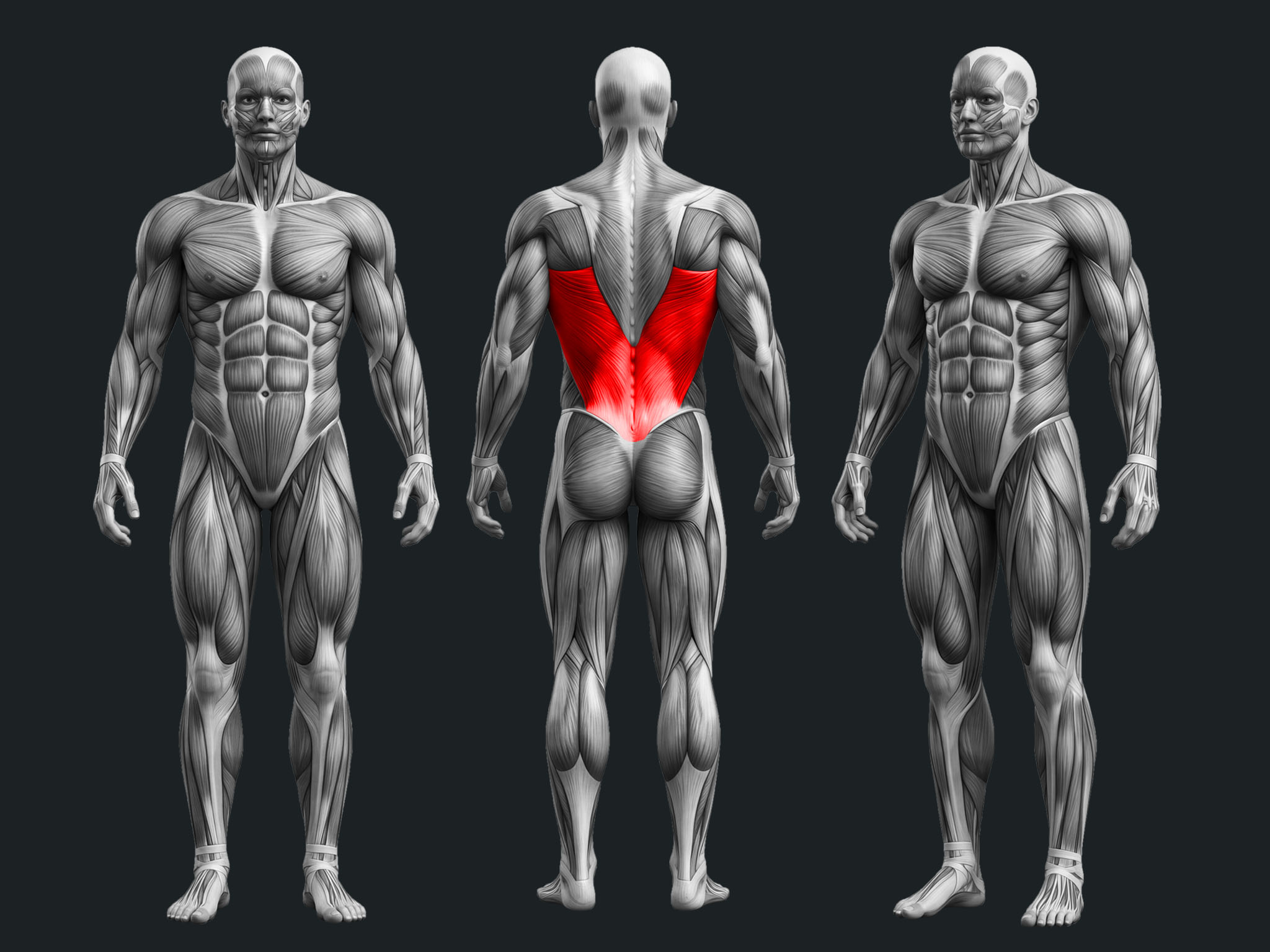
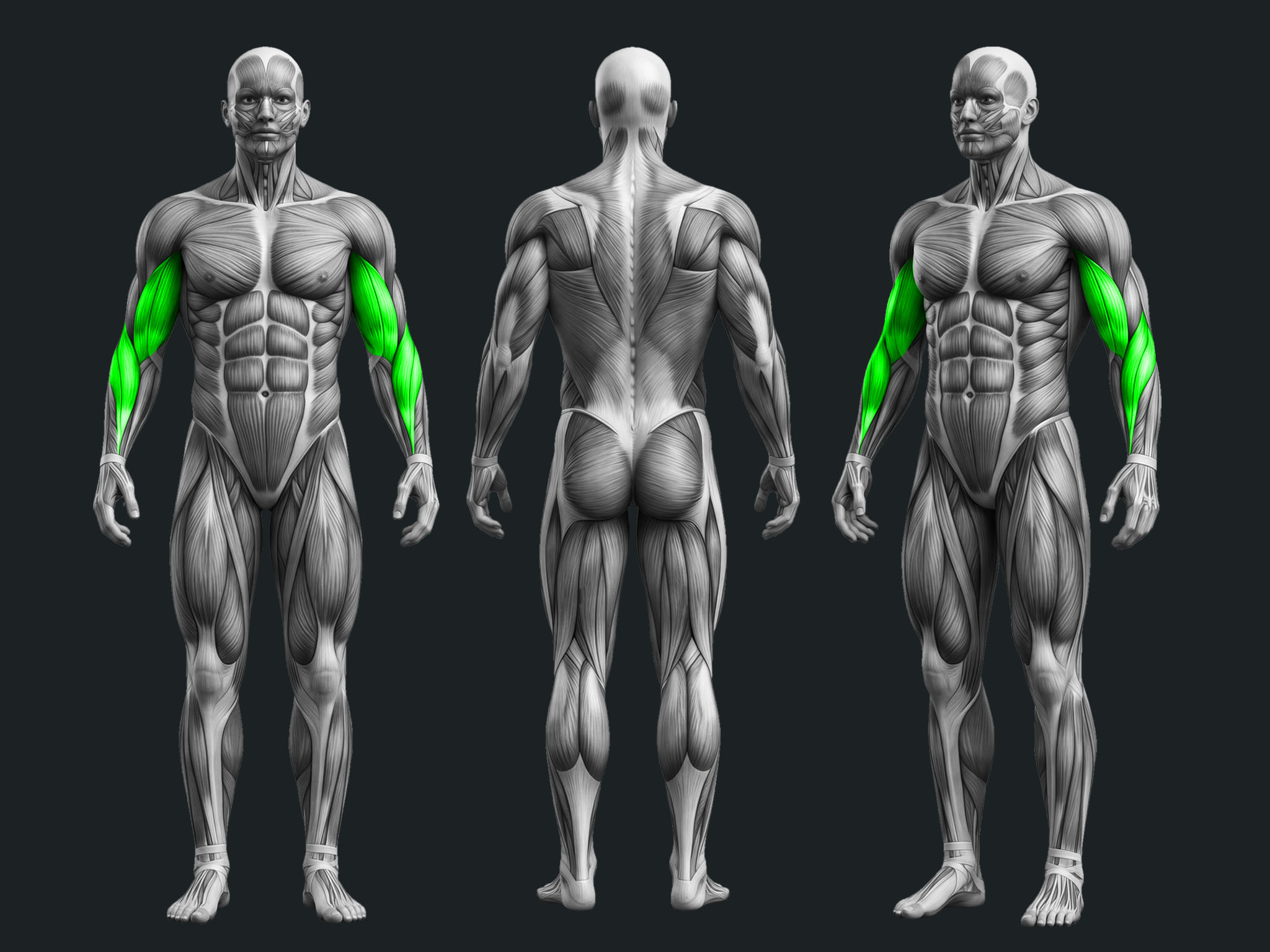
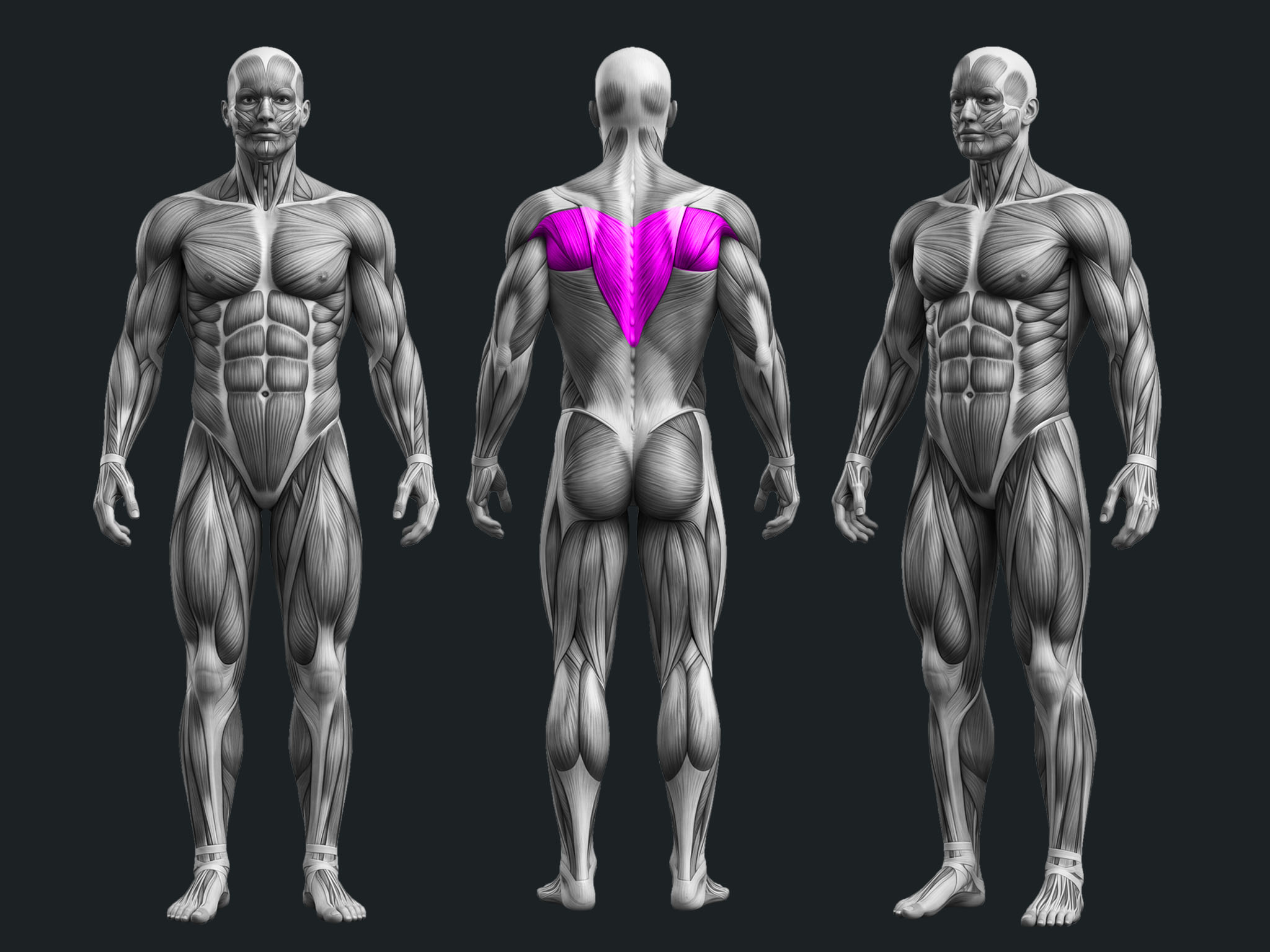
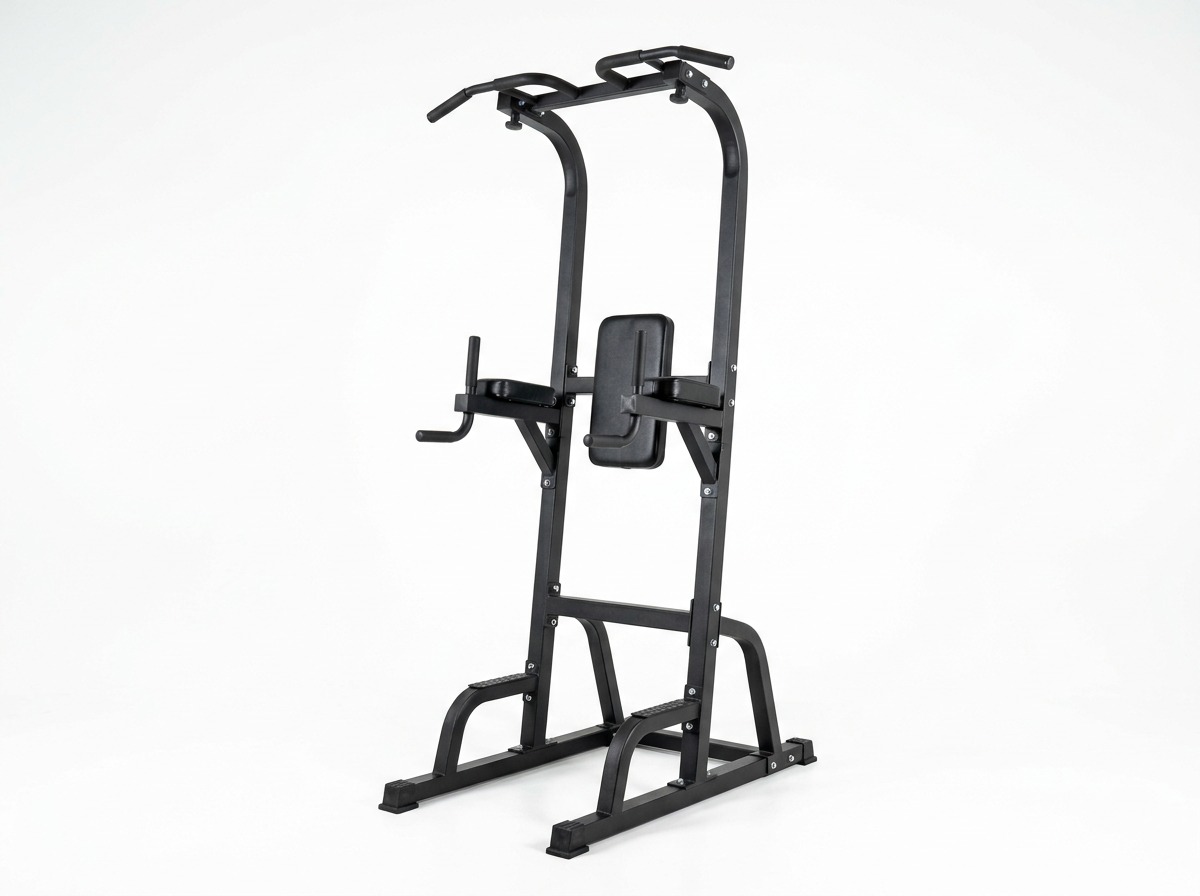
Pull-Up Bar (or Assisted Pull-Up Machine)A fixed horizontal bar mounted high enough that you can hang with your arms fully straight and your feet clear of the floor — a power rack attachment, a wall-mounted bar, or the bar on a functional trainer.