Exercise Instructions
Single-Arm Preacher Curl
Why this one is in the program
This is the strictest biceps exercise there is.
On a standing curl, you can swing. You lean back a little, your shoulders help, your hips give the weight a nudge — and most people do all three without noticing. The preacher bench removes every one of those options. Your arm is lying flat on a pad, locked in place. The only thing that can move the weight is your biceps.
And one arm at a time matters more than people think. Your stronger side can't carry your weaker one, and you can look straight at the muscle you're training while you do it.
There's one more reason this exercise earns its place. Because your arm sits in front of your body, your biceps is in a slightly stretched position at the bottom — and a muscle working while stretched is one of the strongest growth signals we know of. Standing curls own the squeeze. This one owns the stretch.
Setup
- Set the seat height so your armpit sits snugly against the top of the pad.
- Sit down, chest against the pad, feet flat on the floor.
- Lay your working arm flat along the pad, fully in contact from armpit to elbow.
- Take the dumbbell with your palm facing up.
- Rest your free hand on the bench or your thigh — don't use it to help.
- Let your arm straighten out at the bottom, but don't fully lock the elbow.
Why the setup does the work here
Your armpit has to reach the top of the pad. If the seat is too low, your shoulder lifts off and your body starts helping. If it's too high, you're perched and unstable. Snug against the top is what locks your upper arm in place — and that lock is the entire exercise.
Keep the whole arm flat on the pad. Elbow, upper arm, armpit, all in contact. If your elbow slides around or lifts up, you've lost the strictness this exercise exists for.
And don't lock the elbow at the bottom. Stop just short of straight. On a preacher bench the bottom position is already a hard stretch, and snapping into a full lockout under load is where elbows and biceps tendons get hurt.
Technique
- Start with your arm nearly straight and your biceps stretched.
- Curl the dumbbell up smoothly — no swing, no jerk off the bottom.
- Keep your upper arm glued to the pad the whole way.
- Curl until your forearm is just past vertical and squeeze hard for one second.
- Lower slowly, about 3 seconds, back to the stretch.
- Stop just short of a locked elbow, then start the next rep.
- Keep your chest on the pad and your shoulder down.
Why technique decides everything here
The lowering is the exercise here. This is the one curl where the bottom is genuinely hard — your biceps is stretched and still holding the weight. Three slow seconds down, every rep. If you let the dumbbell drop, you've thrown away the best part and put your elbow at risk at the same time.
Don't shrug or lift your shoulder. As the set gets hard, people pull their shoulder up to help. The moment that happens, your upper arm leaves the pad and the strictness is gone. Shoulder down, chest on the pad.
And no bouncing out of the bottom. Starting each rep with a little jerk is how biceps tendons get strained. Smooth start, smooth finish.
Common Mistakes
- Seat set too low, so the armpit doesn't reach the top of the pad.
- Lifting the elbow or shoulder off the pad to help.
- Snapping the elbow into full lockout at the bottom.
- Bouncing out of the bottom instead of starting smoothly.
- Dropping the weight back down with no control.
- Helping with the free hand.
- Lifting the chest off the pad and leaning back.
- Stopping halfway down and never using the stretch.
Where people lose results
Seat too low. The most common setup fault. Your armpit sits below the pad, so your shoulder lifts and your body joins in — and you've just rebuilt the standing curl you were trying to escape. Fix: armpit snug against the top of the pad.
Elbow or shoulder coming off the pad. Always a sign the weight is too heavy. The moment your arm leaves the pad, the exercise stops being strict. Fix: lighten it until your arm stays flat for every rep.
Locking out at the bottom. On this bench the bottom is a deep stretch, and slamming into a locked elbow there is the one genuine injury risk on this exercise. Fix: stop just short of straight.
Dropping the weight. Letting it fall wastes the most valuable part of the rep — and it's exactly when the stretch position gets dangerous. Fix: three seconds down, always.
Too heavy, or too light. Too heavy and everything above happens at once: the shoulder lifts, the free hand starts helping, the lowering turns into a drop. Too light and nothing grows — clean reps with a weight you could curl twenty more times train nothing.
The honest test: arm flat on the pad, no bounce at the bottom, one-second squeeze, three seconds down. If you can't do that for your full rep range, that's not your weight.
Stay in the 8–15 rep range. Nothing is above your body here, so the last set can go all the way to failure — just keep the reps that got you there clean, and this is a great spot to finish with a dropset.

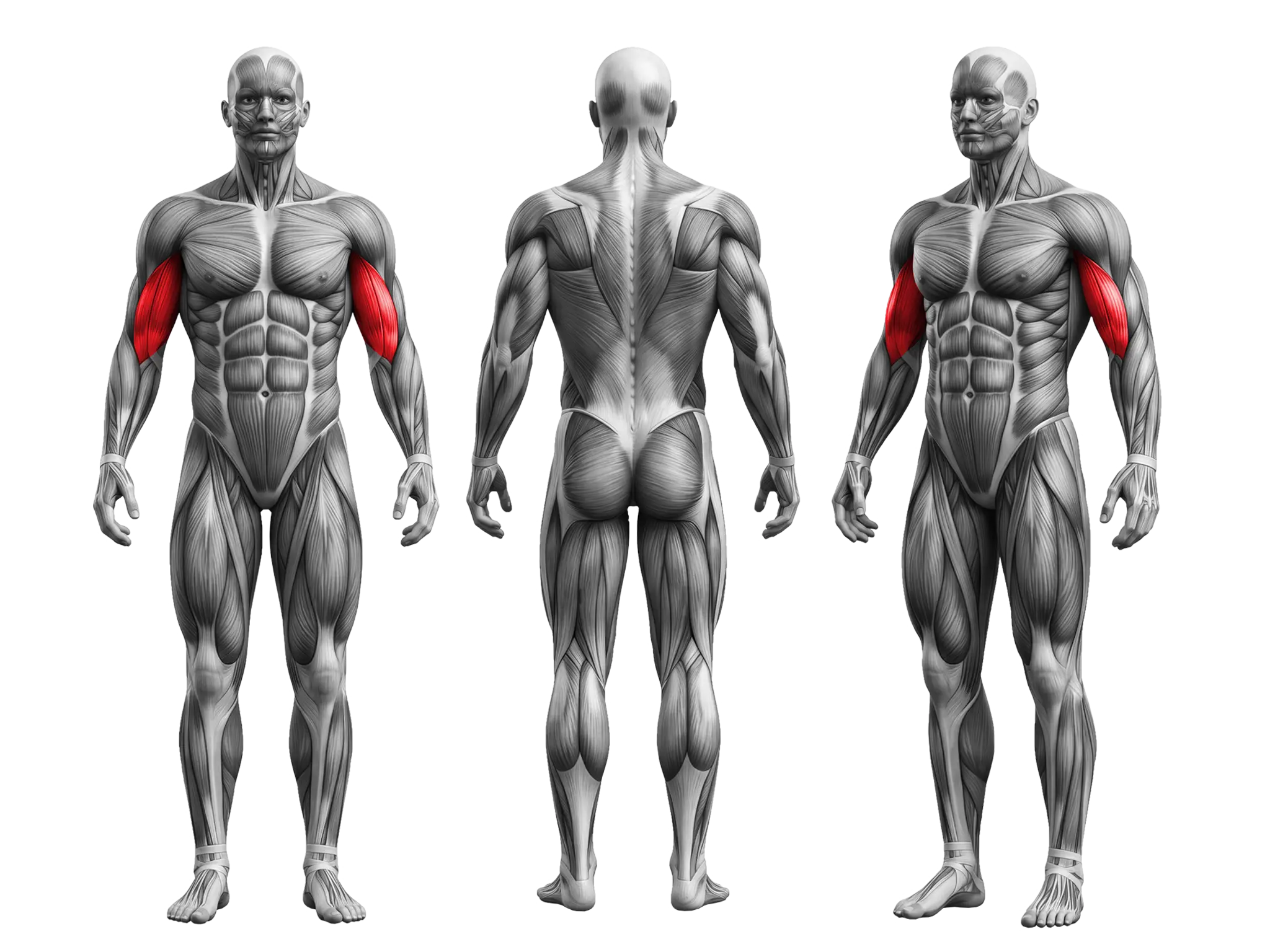
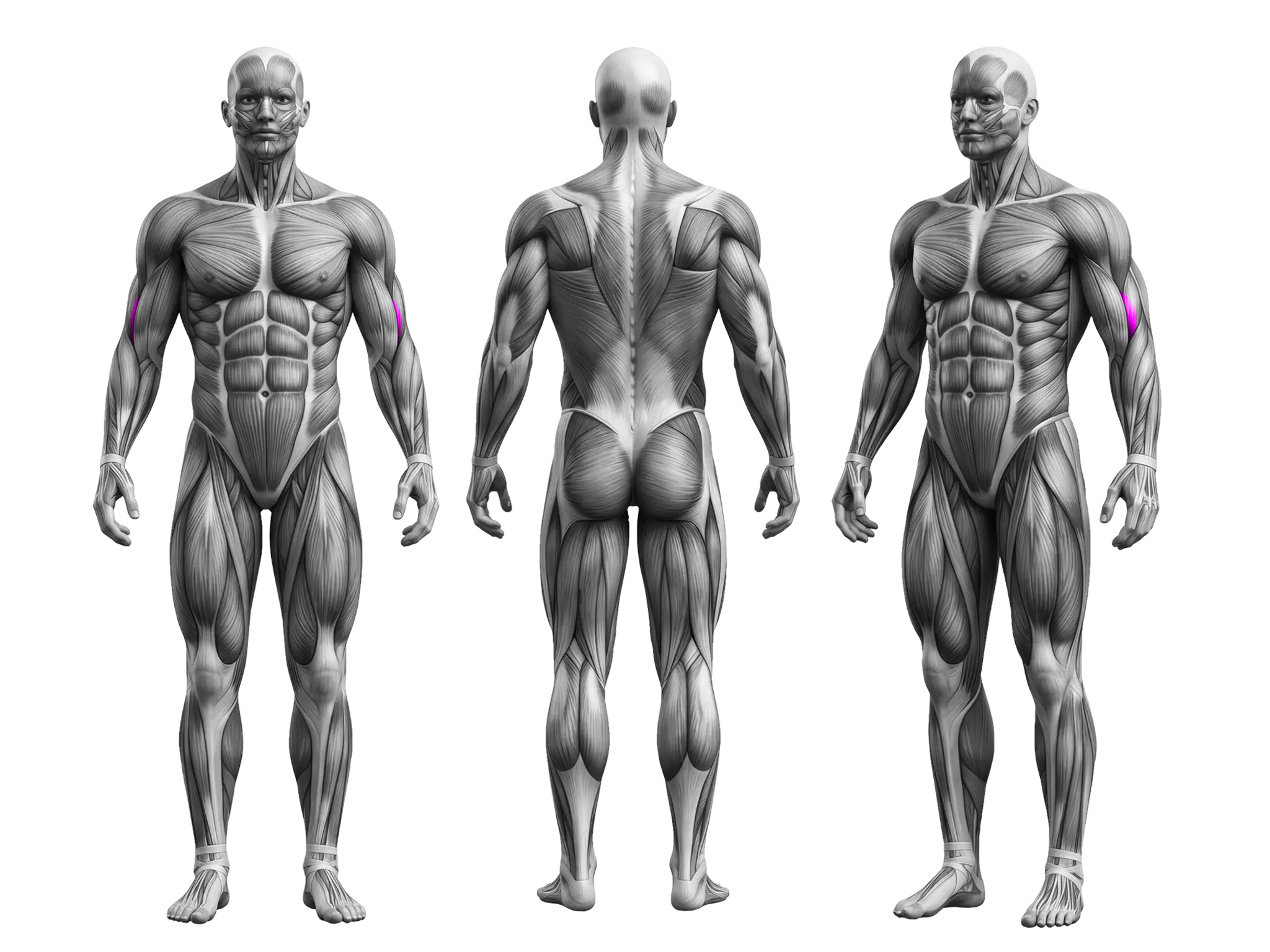
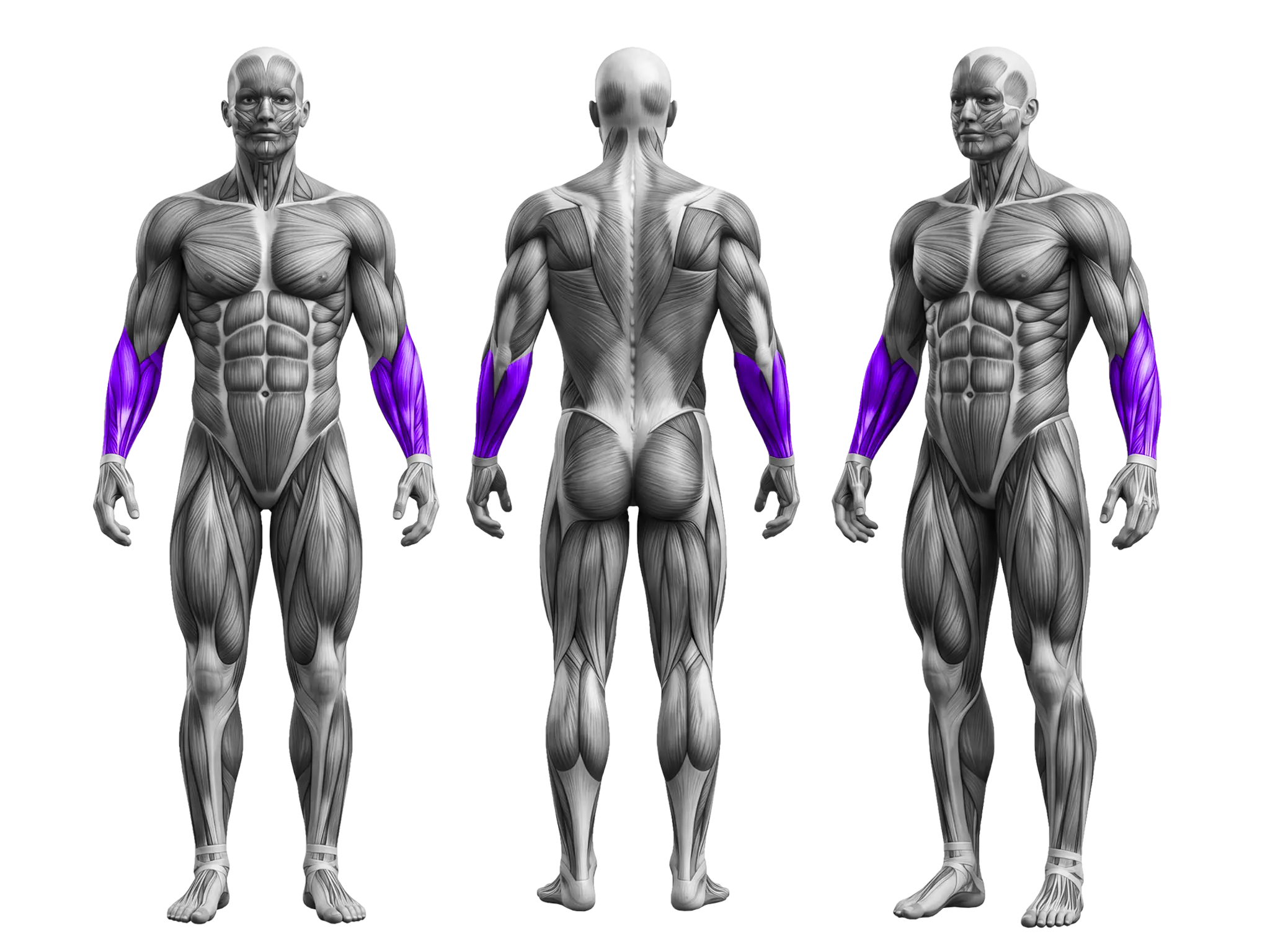

Preacher Bench (Scott Bench)
The bench with a steeply angled pad in front of a seat, built to lock your upper arm in place. Seat height is the setting that matters: adjust it so your armpit sits snugly against the top edge of the pad when you sit down. Too low and your shoulder lifts off and your body starts helping; too high and you're unstable.
Sit with your chest against the pad, feet flat on the floor, and lay your whole working arm along the pad — armpit, upper arm and elbow all in contact. That contact is what makes this the strictest curl there is. If your gym has no preacher bench, set an adjustable bench upright and lean over the backrest the same way.