Exercise Instructions
Wide Lat Pulldown
.png)
Why this one is in the program
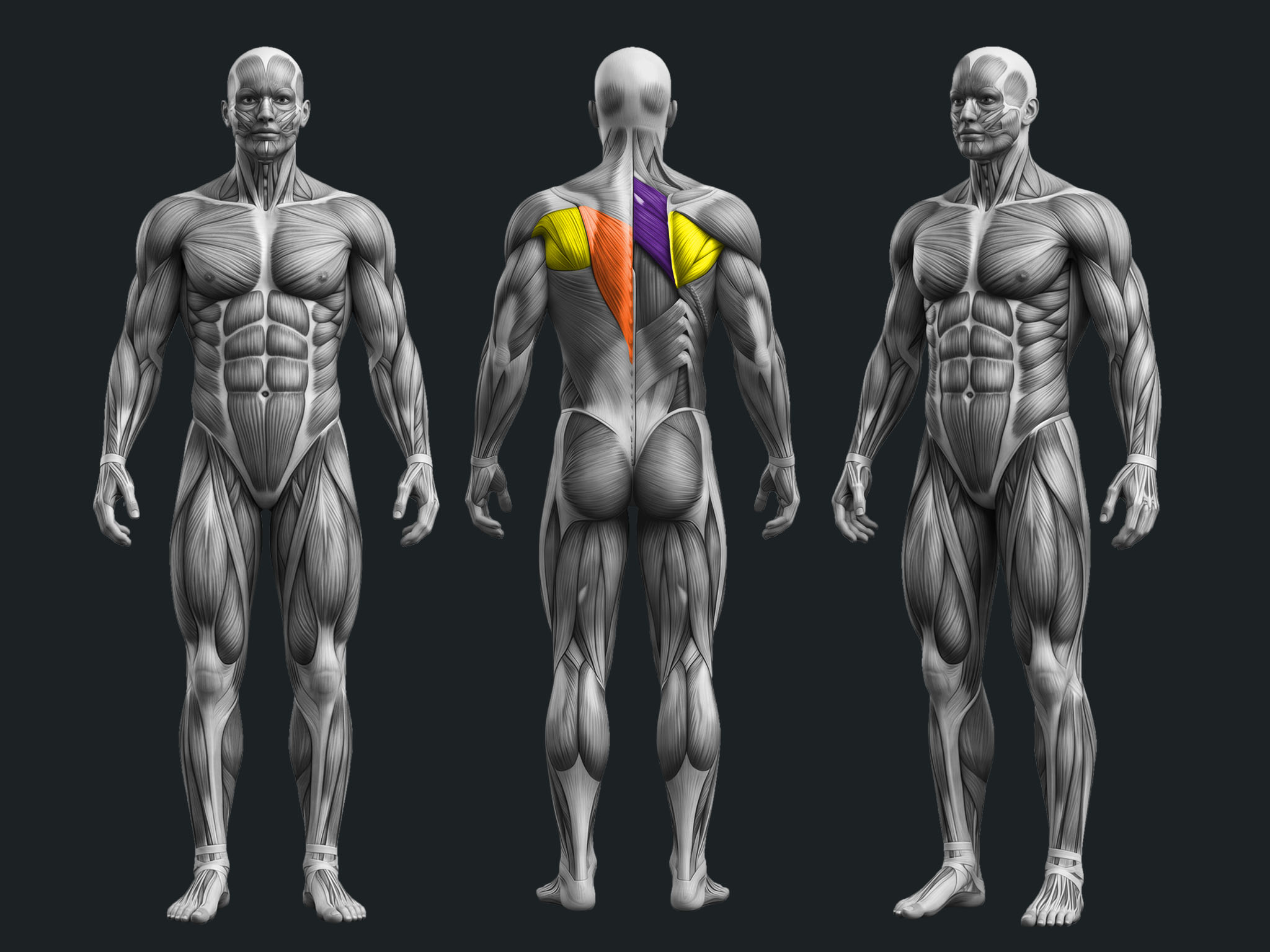
This is the width builder. If you want that V-shape — shoulders wide, waist looking smaller — this is the exercise that gets you there.
It's a pull-up you can control. Same movement, same muscles, but you pick the weight instead of the weight picking you. That means you can hit your full rep range on every set, keep clean form all the way through, and add load in small steps week after week. On pull-ups most people fight just to finish the set. Here you can actually train.
One thing I want you to understand before we start: you lean back slightly on this exercise. Not a lot — about 15 to 20 degrees, chest up and proud. Most people sit bolt upright and wonder why they can't feel their lats. Sitting straight up means the bar has to come down right in front of your face, and your shoulder blades physically can't squeeze together in that position. Lean back a little and everything changes: the bar comes to your upper chest instead of your chin, your elbows travel further back, and your lats get a much harder squeeze at the bottom. That small lean is worth more than any weight increase.
Setup
- Set the pad so it locks your thighs down tight — no lifting off the seat.
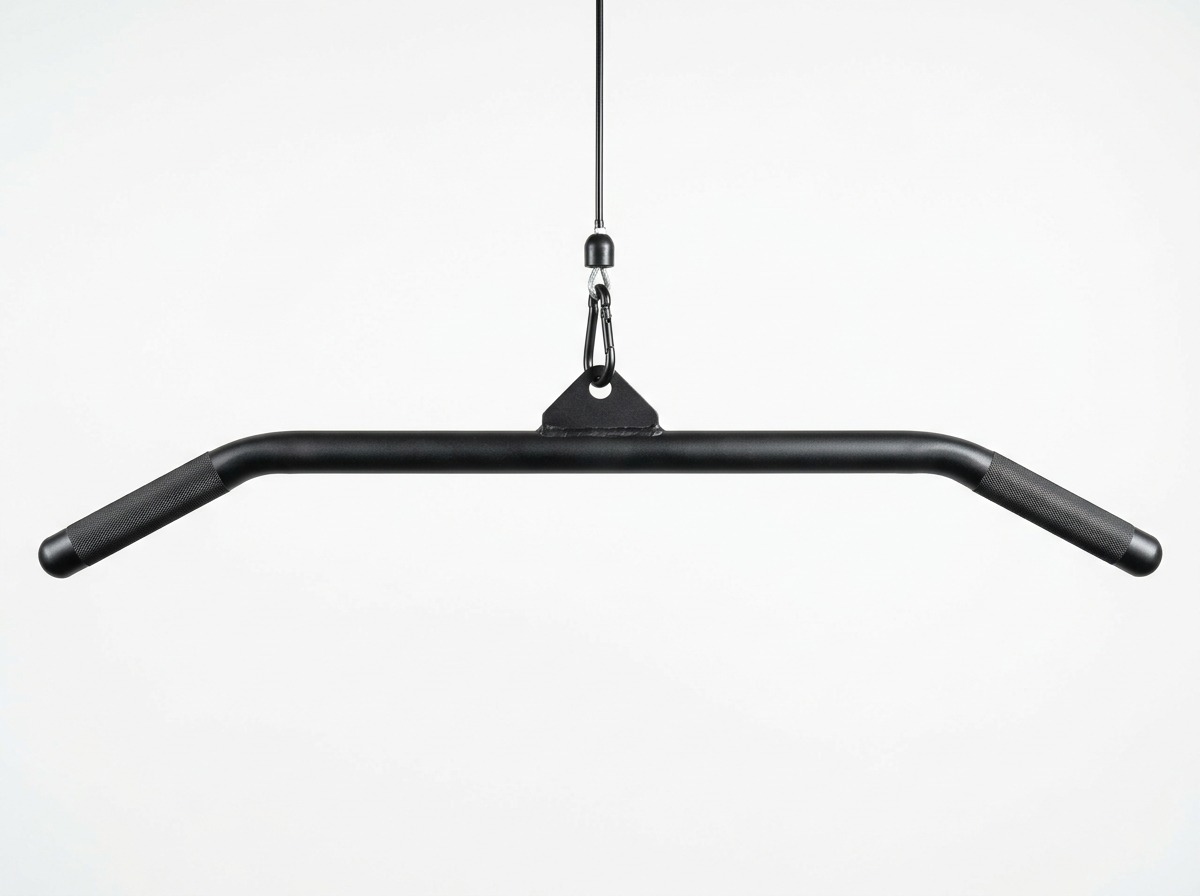
- Grab the bar with your palms facing away, hands slightly wider than shoulder width.
- Sit down, thighs under the pad, feet flat on the floor.
- Sit tall, chest up, and lean your torso back about 15–20°.
- Straighten your arms and let your shoulders rise up toward your ears.
- Now pull your shoulder blades down to start the rep.
Why the setup does the work here
Two things decide this exercise: your grip width and your lean.
Grip first. Wider is not better. Go too wide and you cut your range of motion in half and put your shoulders in a bad spot. Slightly wider than your shoulders gives you the longest pull — and a longer pull means more muscle worked on every single rep.
Now the lean. Sit upright and the bar comes down in front of your face, your elbows stop short, and your shoulder blades never fully come together. Lean back 15–20° with your chest up and the bar has a path to your upper chest, your elbows travel back past your ribs, and the lats get a real squeeze at the bottom. Lock that lean in before your first rep and hold it — the lean stays the same the whole set, it doesn't grow as you get tired.
And that thigh pad matters more than you think. If your legs aren't locked down, heavy sets lift you off the seat and you spend the set fighting the machine instead of pulling.
Technique
- Start from a full stretch — arms straight, shoulders up by your ears.
- Begin every rep by pulling your shoulder blades down and back, before your arms bend.
- Drive your elbows down and back toward your hips — think elbows, not hands.
- Pull the bar to your upper chest, keeping your chest up to meet it.
- Squeeze your lats hard for one full second at the bottom.
- Let the bar rise slowly for 2–3 seconds until your arms are straight again.
- Let your shoulders travel back up into the stretch, then go again.
Why technique decides everything here
Here's the one thing to remember: your hands are just hooks. The moment you start thinking about pulling with your hands, your biceps take the job and your lats get whatever's left. Think about driving your elbows down into your back pockets — that's it. That single change is the difference between a back exercise and an expensive biceps curl.
Starting the rep with your shoulder blades is the other half of it. If your arms bend first, your shoulders stay stuck up by your ears and your lats never properly switch on. Blades down first, then the elbows follow, then the bar comes down. In that order.
And don't waste the top of the rep. Letting the weight pull your arms straight and your shoulders up is the full stretch — that's where a lot of the growth is. Take 2–3 seconds on the way up, every rep. Fast and bouncy costs you half the exercise.
Common Mistakes
- Sitting bolt upright, so the bar can't reach the chest and the blades never squeeze.
- Leaning further and further back as the set gets hard — turning it into a row.
- Gripping way too wide, which cuts the range and stresses the shoulders.
- Bending the arms first instead of starting with the shoulder blades.
- Pulling the bar behind the neck (bad for your shoulders, no extra benefit).
- Stopping short — not bringing the bar all the way to the chest.
- Cutting the top short and never letting the arms fully straighten.
- Letting the bar snap back up instead of controlling it.
Where people lose results
The pulldown is lost slowly, and it's usually the lean that goes first.
You set a clean 15–20° at the start of the set, and by rep eight you're at 45°. Now it's not a pulldown, it's a row — and next week you'll add weight on top of a movement that's already drifted. The lean is a setting, not a lever. Lock it before rep one and hold it to the last rep. If it's growing as you get tired, that's your body telling you the pin is too high.
Too heavy shows up everywhere else too. The shoulder blades stop fully squeezing at the bottom, the arms stop fully straightening at the top, and the whole set becomes short jerky pulls through the middle of the range. A lot of weight moving, and nothing happening in your back. The fix isn't grinding harder — drop the pin two or three plates, slow the return to a full three seconds, and rebuild the rep with a real stretch and a real squeeze.
Too light fails you just as completely, it just feels nicer. Textbook form with a weight you could pull ten more times is rehearsal. If you finish the set nowhere near your RIR target, add weight next set — clean form is the requirement, not the goal.
And the last one, which costs more than all of it: the same weight for months. The pulldown is comfortable, and comfortable exercises are the ones people forget to progress. Once every working set hits the top of your rep range clean, the pin moves up one. Full stretch, full squeeze, weight climbing over time. That's the whole exercise.
.jpg)

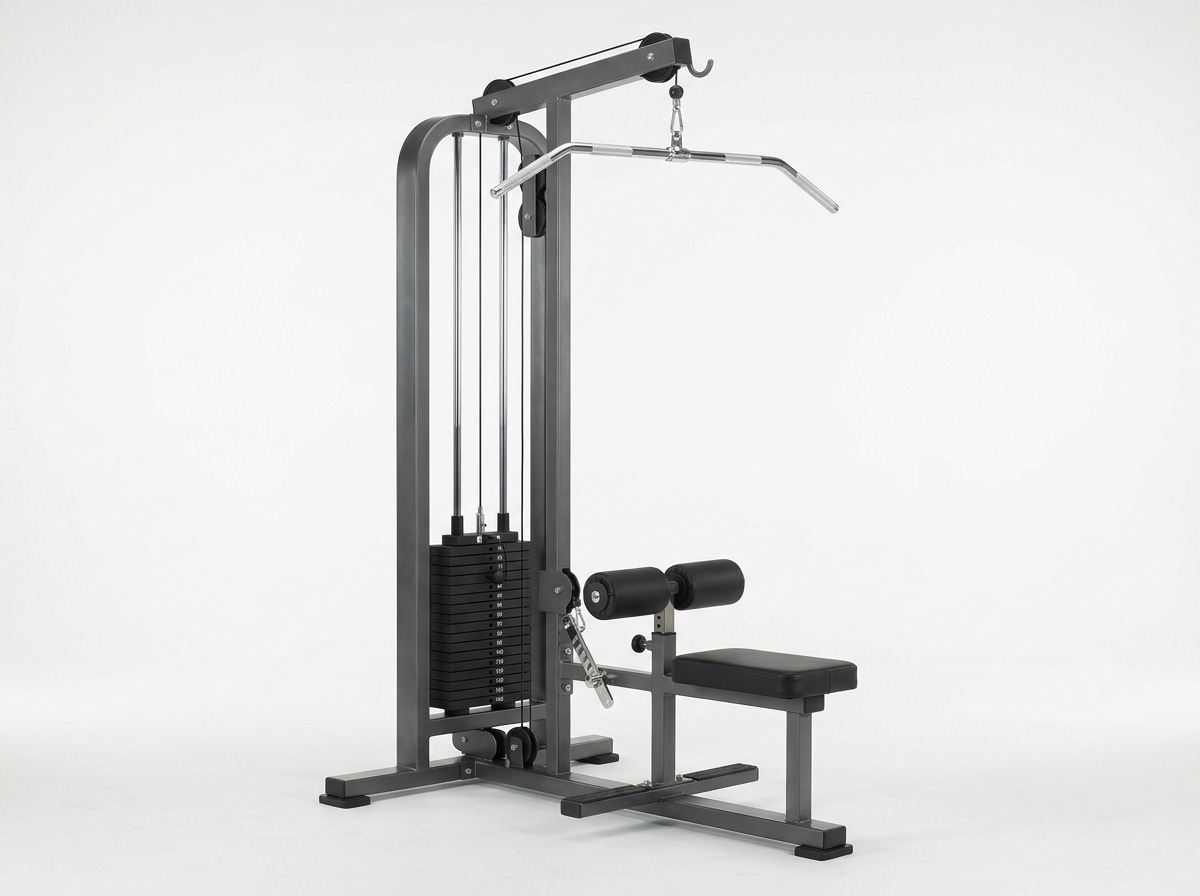
Lat Pulldown Machine (with thigh pad)
The seated cable station with a high pulley overhead and an adjustable pad that locks across your thighs. Set that pad tight before you start — snug enough that you can't lift off the seat when the weight gets heavy. If it's loose, you'll spend your working sets fighting to stay down instead of pulling. Set the seat height so your arms are fully straight overhead at the top with tension already on the cable. If your gym doesn't have a dedicated pulldown station, any high cable pulley works — just kneel or sit on the floor instead.